Powering the Energy Transition, One Reaction at a Time
SunVault Innovations is an R&D and technical consulting firm dedicated to advancing transformative energy technologies from concept to commercialization. Our work spans electrochemical systems, advanced materials, thin films and coatings, prototype development, and process innovation, supporting applications such as batteries, fuel cells, electrolyzers, and catalytic systems. We combine scientific rigor with practical engineering to help clients validate ideas, enhance performance, and scale with confidence.
Request a Consultation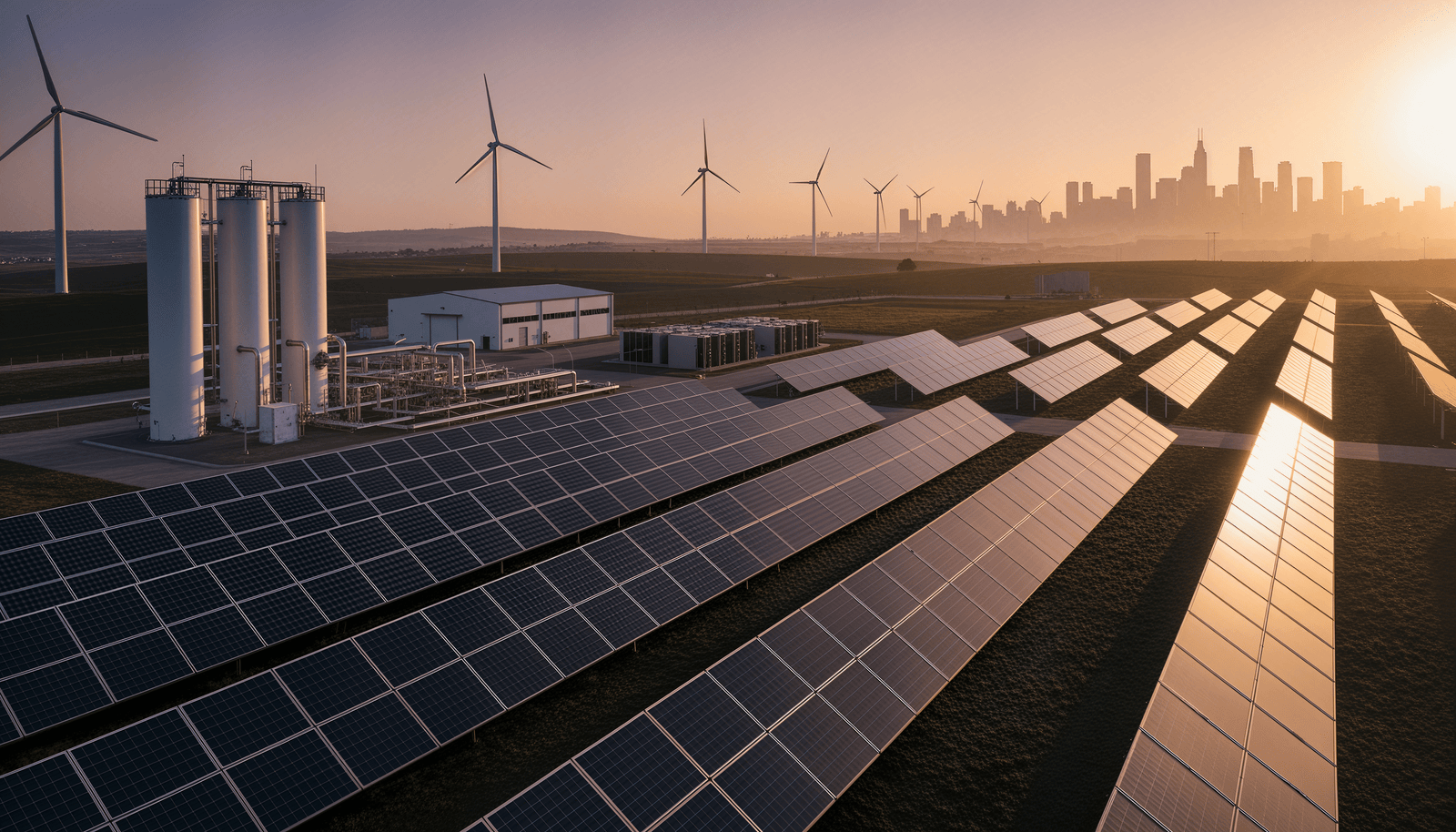
Services





Electrochemical Energy Conversion Systems
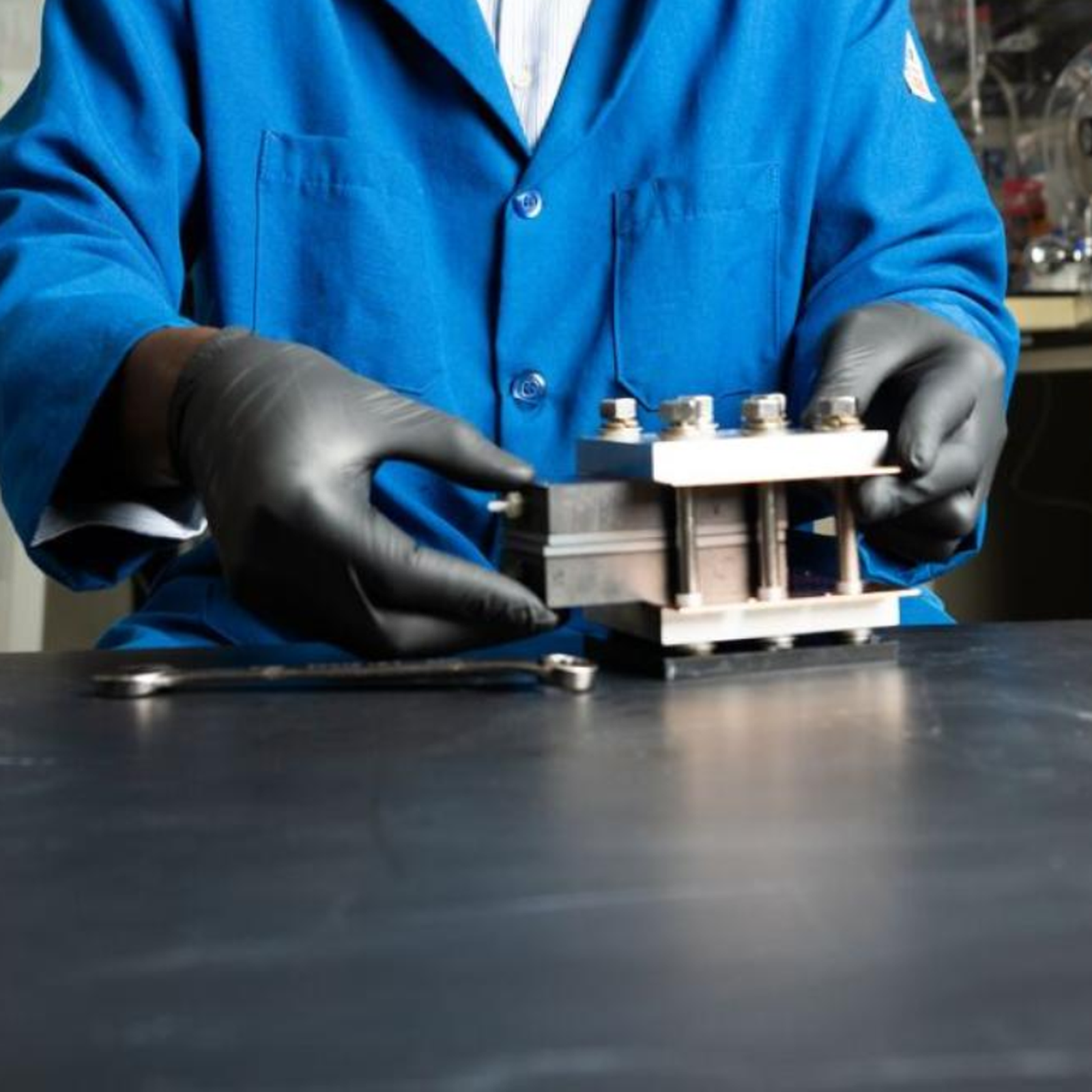
Design, modeling, and validation of batteries, fuel cells, electrolyzers, and catalytic systems. We bridge fundamental electrochemistry with device-level engineering to de-risk performance, durability, and scale-up.
Prototype & Demonstration Development
Hands-on support for startups developing first-of-kind prototypes and pilot demonstrations, translating laboratory concepts into functional, testable systems.
Materials Engineering for Coatings & Thin Films
Engineering and optimization of catalytic inks, coatings, and functional layers for electrochemical devices. We tune formulation, rheology, deposition, drying/curing, and microstructure to improve performance, uniformity, adhesion, porosity, and durability from lab-scale coupons to pilot-relevant processes.
Techno-Economic Analysis & Feasibility Studies
Techno-economic models and feasibility assessments to guide R&D and deployment decisions—covering cost-of-manufacture, cost-to-scale, and supply chain constraints. We evaluate distributed energy resource (DER) deployments (e.g., solar + storage, backup power, microgrids, hydrogen) with CAPEX/OPEX, sensitivity analyses, and scenario comparisons to prioritize the highest-leverage pathways.
Technical Due Diligence
Independent technical assessment of electrochemical energy technologies for investors, acquirers, and strategic partners. We verify performance claims through rigorous review of test data, evaluate durability and scale-up risk, benchmark competing approaches, and deliver risk-rated findings that support confident investment and partnership decisions.
Multi-Scale, Multi-Physics Modeling
CFD, pore network modeling, and machine learning workflows to connect microstructure to device-level performance. We extract actionable insights, run sensitivity studies, and build predictive models that guide technical decisions, de-risk scale-up, and support IP development.
Partnering & Industry Connections
We help accelerate execution by connecting teams with qualified manufacturers, contract fabricators, distributors, testing partners, and key vendors. Support includes introductions, sourcing shortlists, technical scoping, RFQ support, and coordination to reduce lead times and de-risk scale-up.
Selected Projects
With over 10 years of experience in electrochemical energy conversion and advanced materials engineering, the projects below highlight representative work spanning fuel cells, electrolyzers, batteries, and membrane systems.
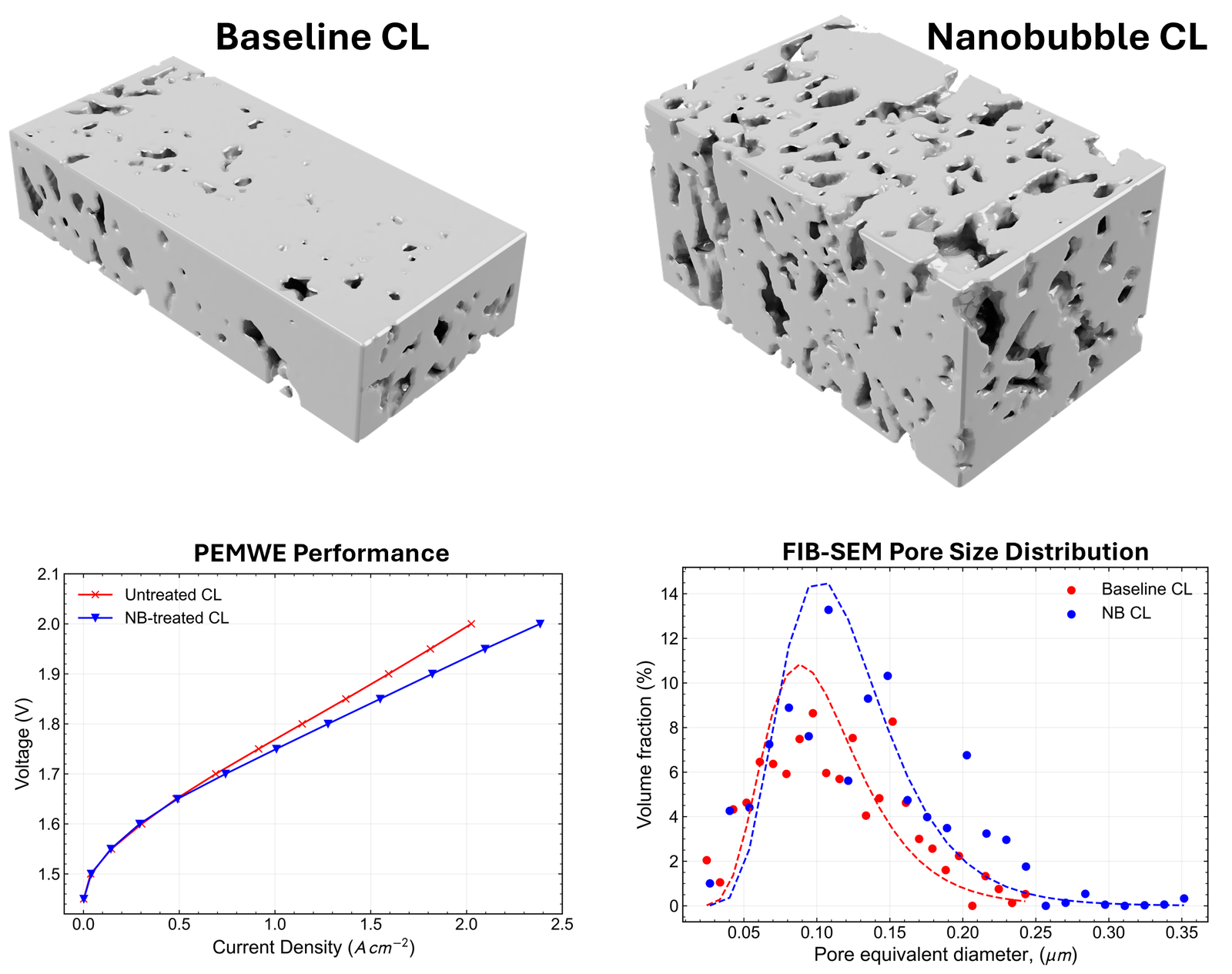
Nanobubble-Enabled Thin Films & Spun Fibers (Patented Technology)
Invented and patented novel fabrication methods incorporating nanobubbles during thin-film coating. These approaches enabled controlled pore architectures and enhanced mass transport, yielding performance benefits across PEM fuel cells, PEM water electrolyzers, lithium-ion battery electrodes, and ultrafiltration membranes. Patent: US20250113651A1
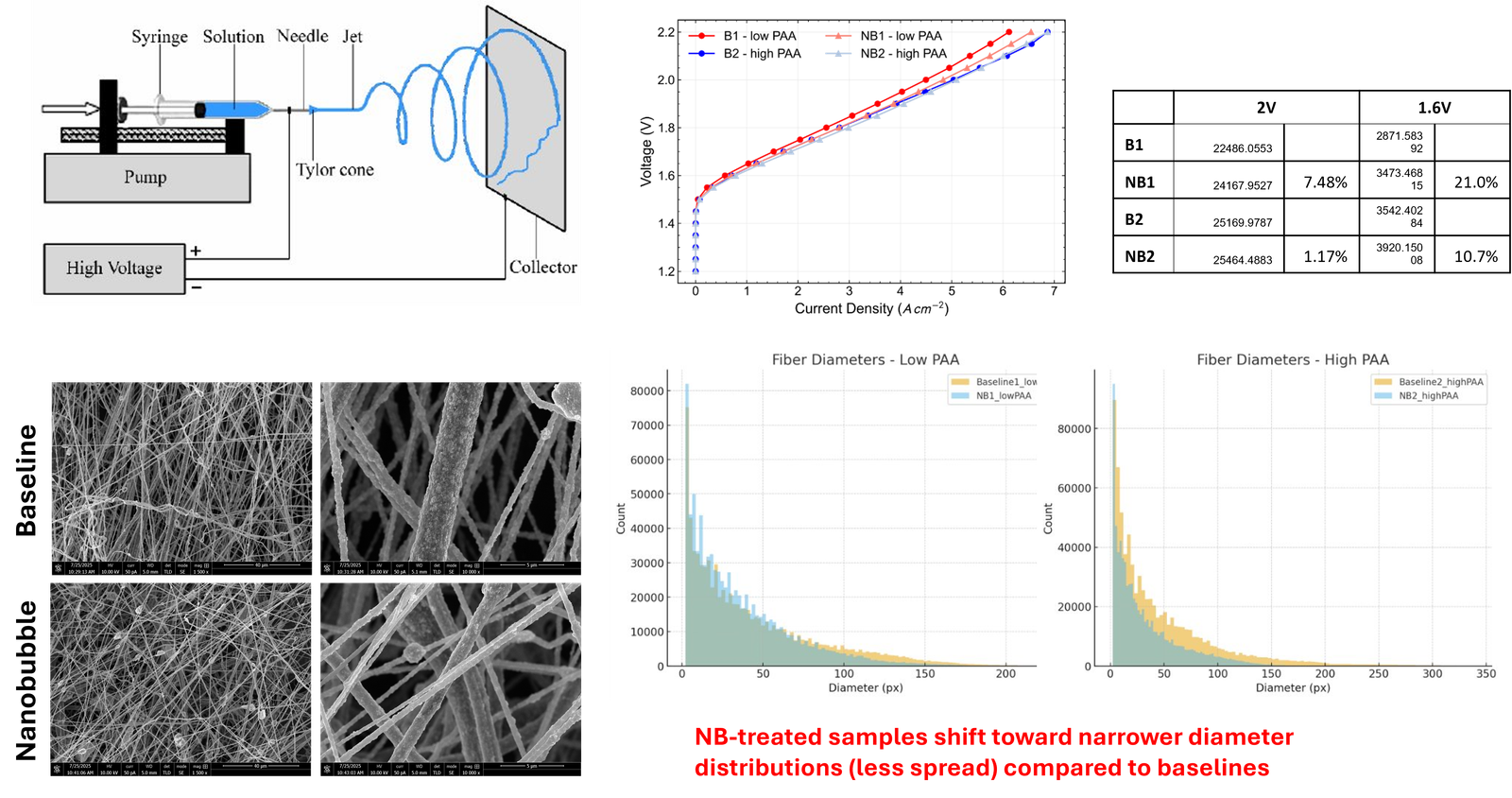
Nanobubble-Enabled Spun Fibers (Patented Technology)
Comparing the electrochemical performance and structural differences of nanobubble-treated fibrous iridium oxide made using electrospinning. It was found that NB-treated samples generate smaller fibers on average with higher overall surface area, resulting in better in electrochemical performance. Patent: US20250257497A1
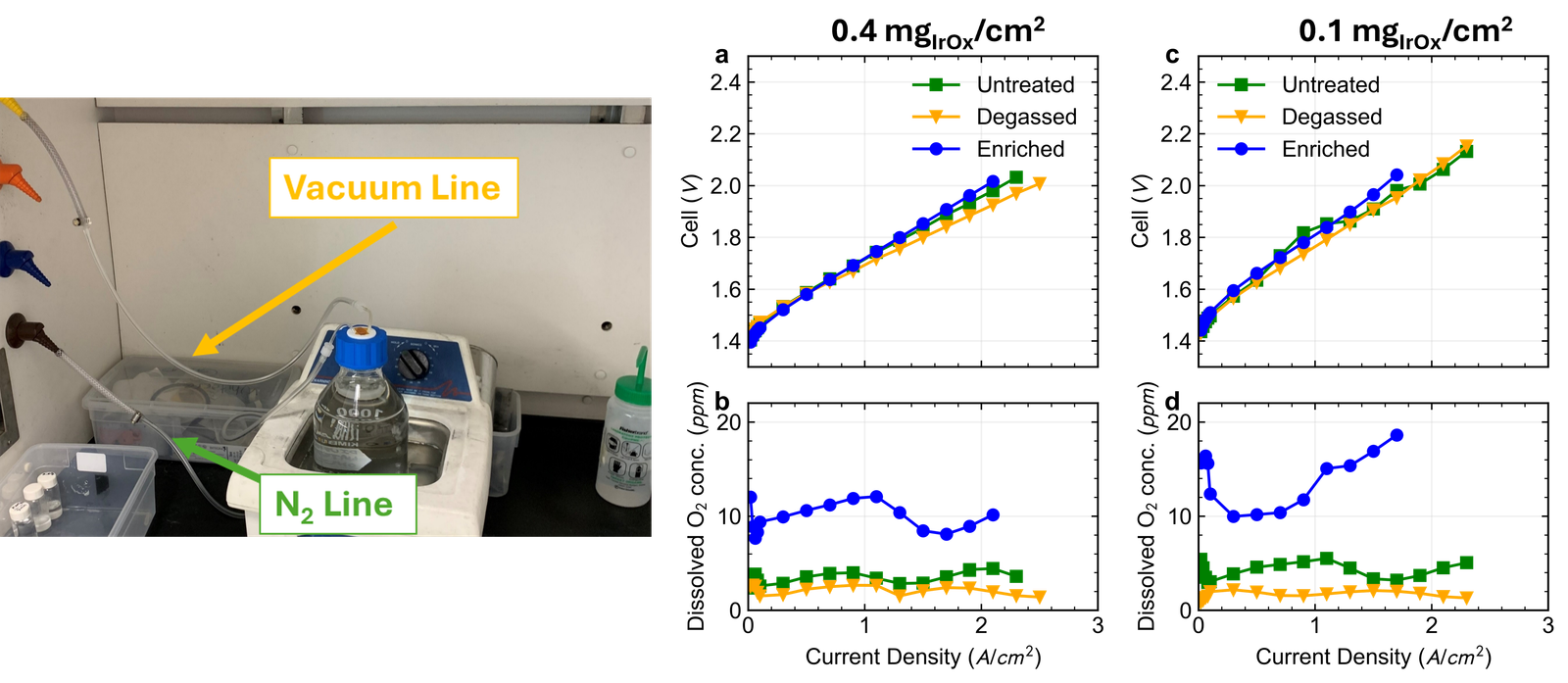
Feedwater Chemistry & Dissolved Gas Effects in PEM Electrolyzers
Investigated the influence of dissolved gases and operating conditions on PEM water electrolyzer performance and durability, linking feedwater chemistry to efficiency, degradation behavior, and operational best practices.
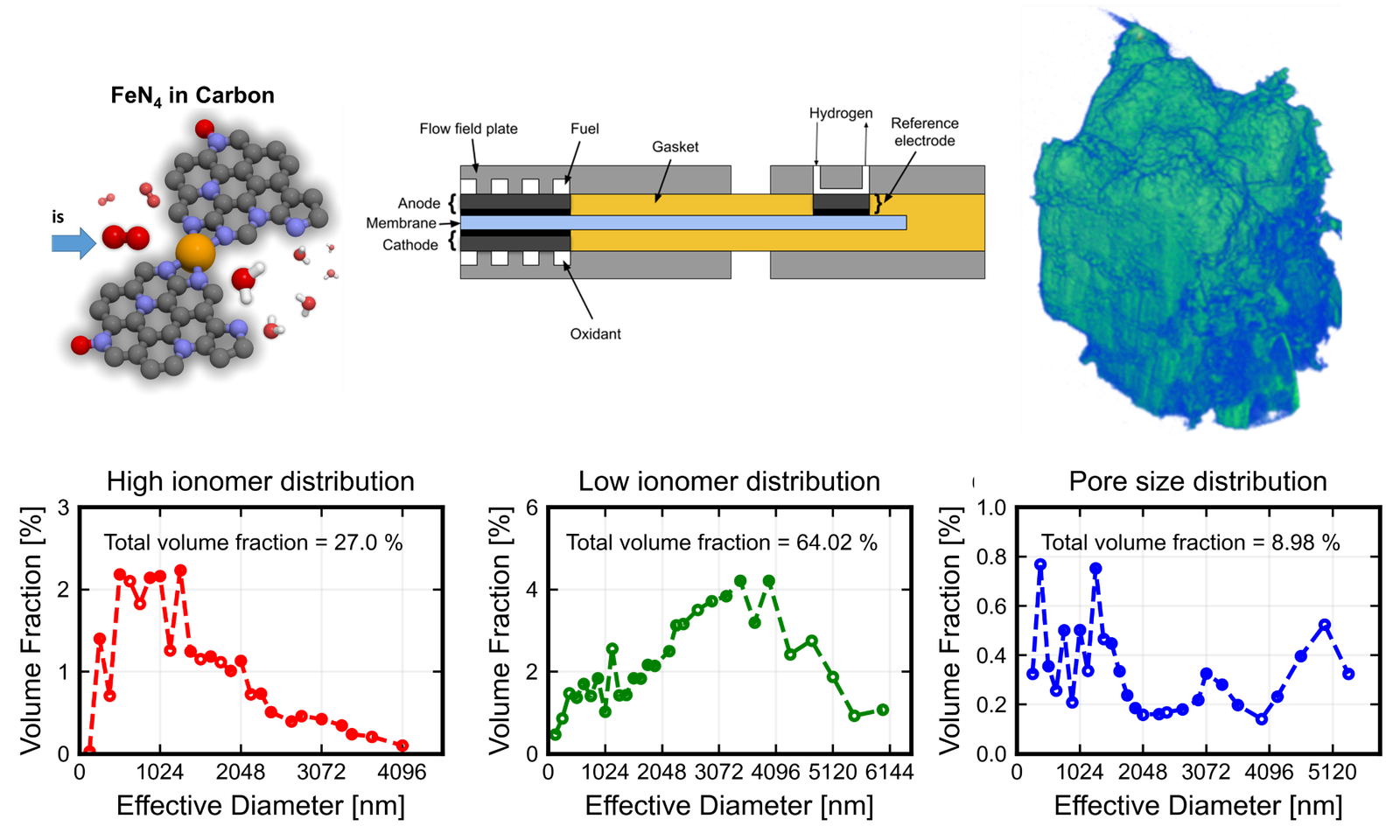
PGM-Free Catalysts for Direct Methanol Fuel Cells
Evaluated platinum group metal-free catalyst systems in direct methanol fuel cells using a custom reference electrode architecture to decouple anode and cathode behavior and identify mechanistic performance limitations.
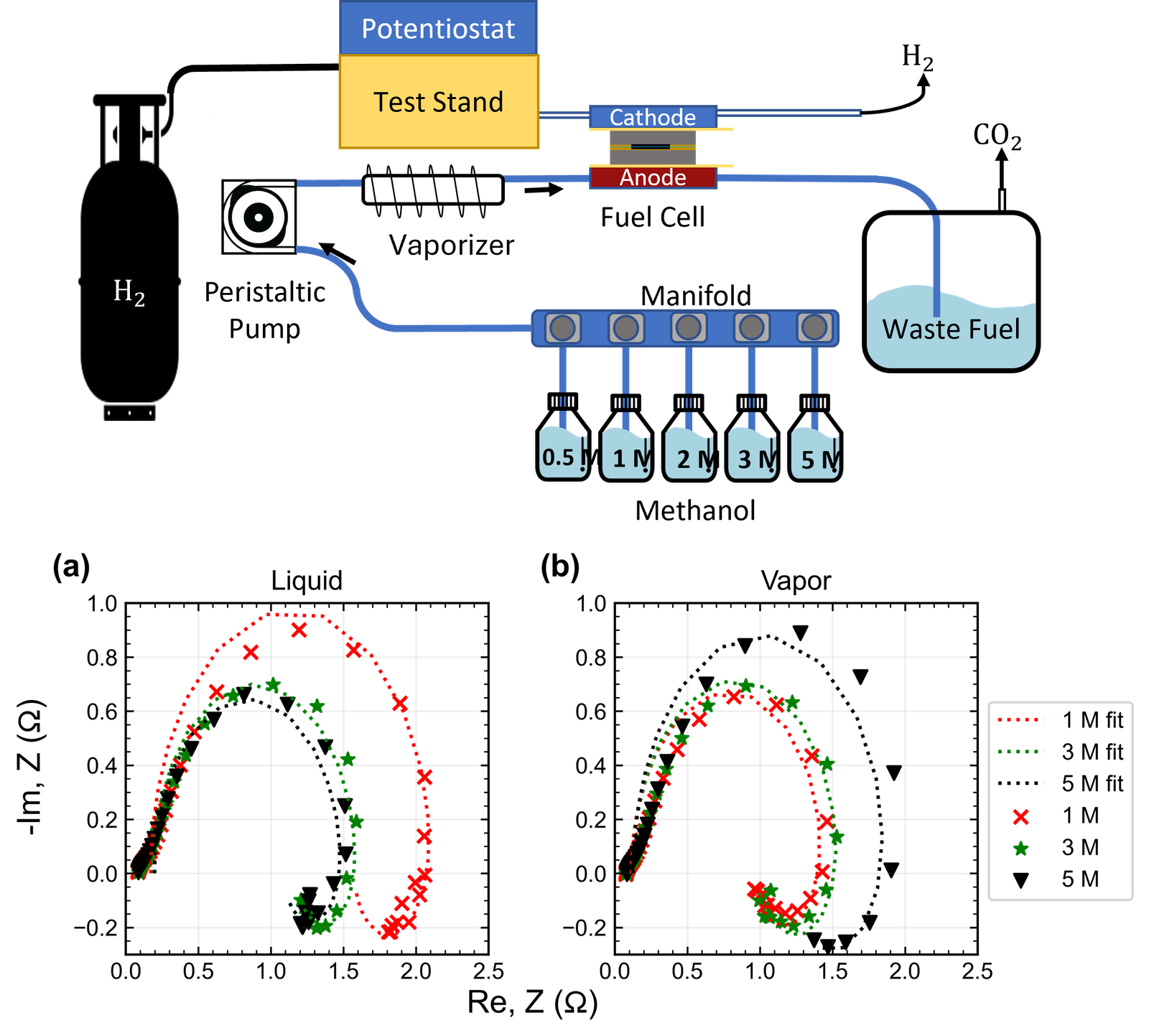
Electrokinetics of Vapor-Fed Methanol Oxidation in DMFC Anodes
Tested and characterized the electrokinetics of vapor-fed methanol oxidation reactions in DMFC anodes, providing insight into transport and reaction mechanisms for next-generation fuel cell architectures.
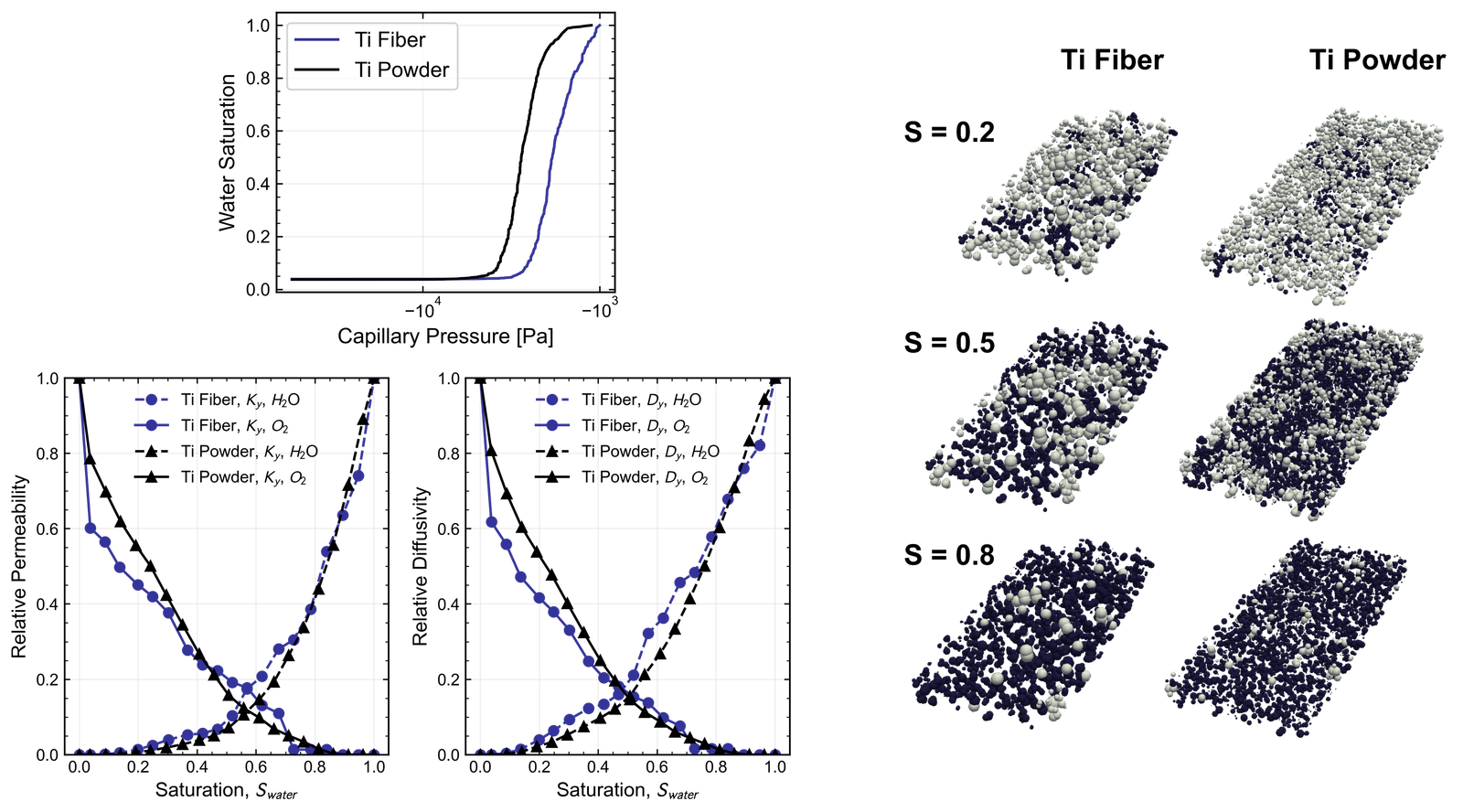
Pore Network Modeling of PEM Water Electrolyzer PTLs
Two-phase pore network simulation comparing water and oxygen transport in a PEM water electrolyzer between a fiber-based titanium porous transport layer (PTL) and a sintered powder PTL. It was found that The Ti fiber PTL has better overall single-phase transport properties, however it takes a larger loss during multi-phase transport, especially at high current density.
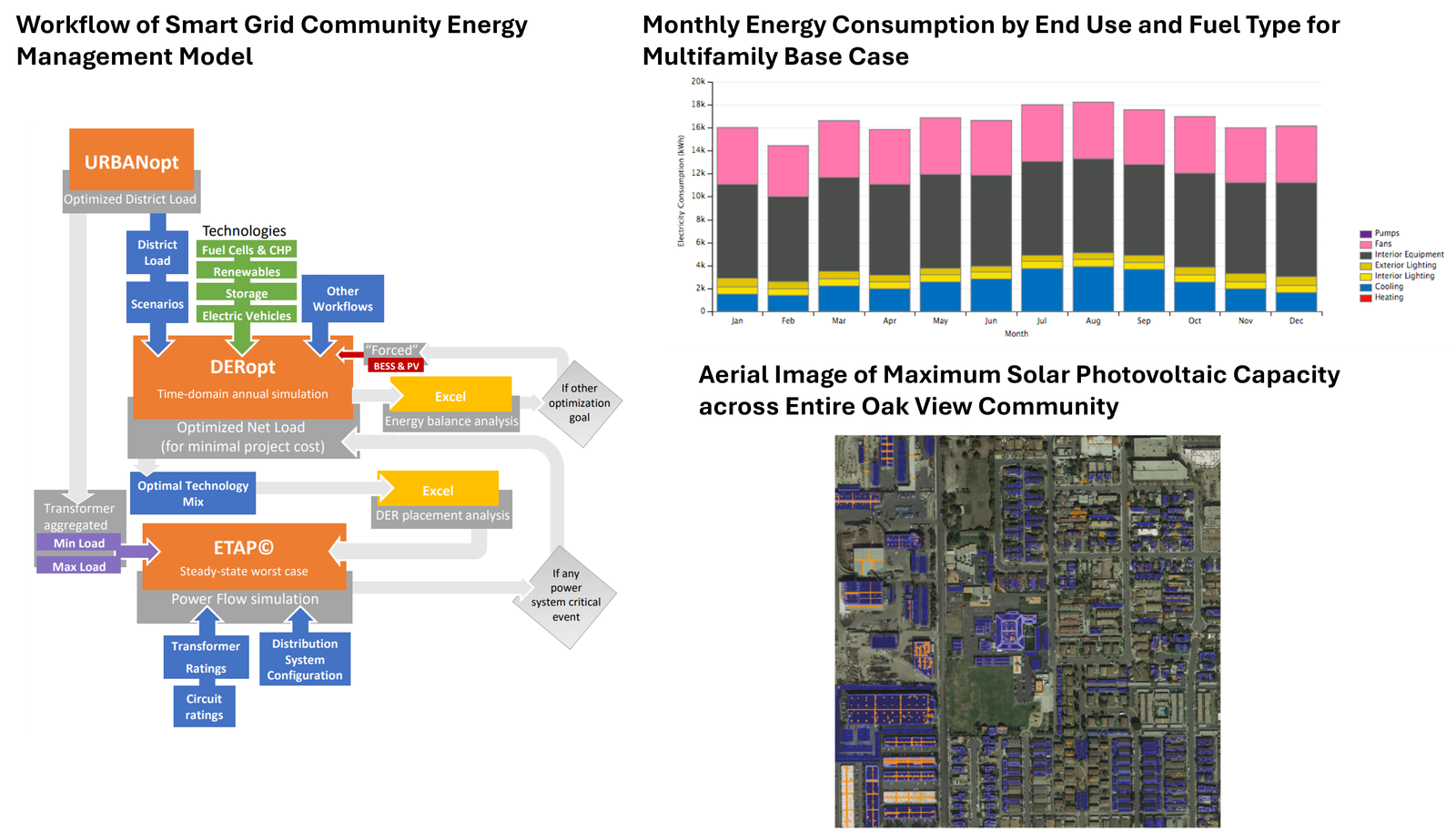
Advanced Energy Community Modeling – Huntington Beach, CA
Supported a CEC-funded community energy retrofit through battery dynamic modeling, solar generation estimation, and energy balance analysis, with demand modeling informed by OpenStudio simulations and on-site energy data logging.
Strategic Collaborators & Research Affiliations
SunVault Innovations collaborates with industry leaders and operates within advanced research environments to support electrochemical energy R&D, prototyping, and validation.
Available Lab Equipment
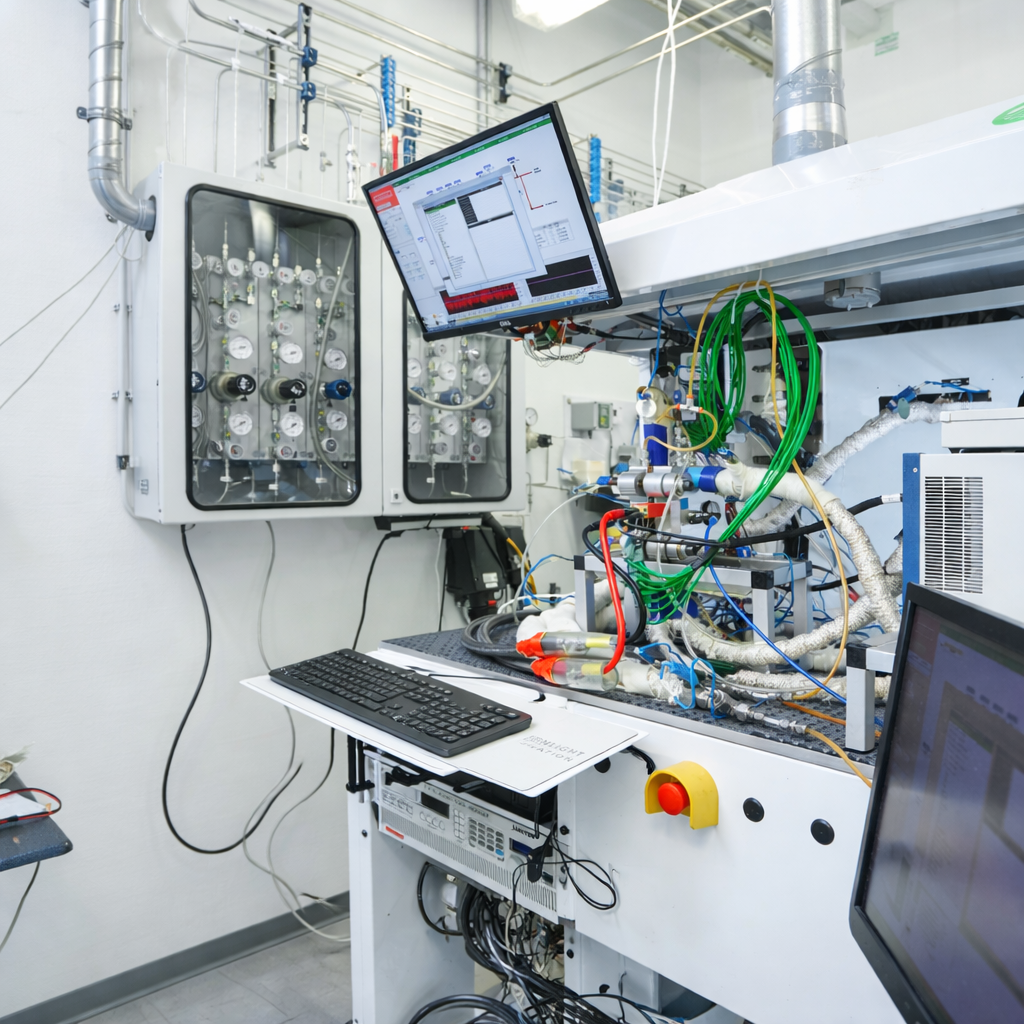
Through our strategic collaboration with the UCI National Fuel Cell Research Center (NFCRC), we have direct access to the lab equipment below—alongside broader physical and materials characterization resources across UCI facilities, including SEM, FIB-SEM, BET, XRF, XRD, DLS, particle zeta-potential measurements, TGA, and DSC.
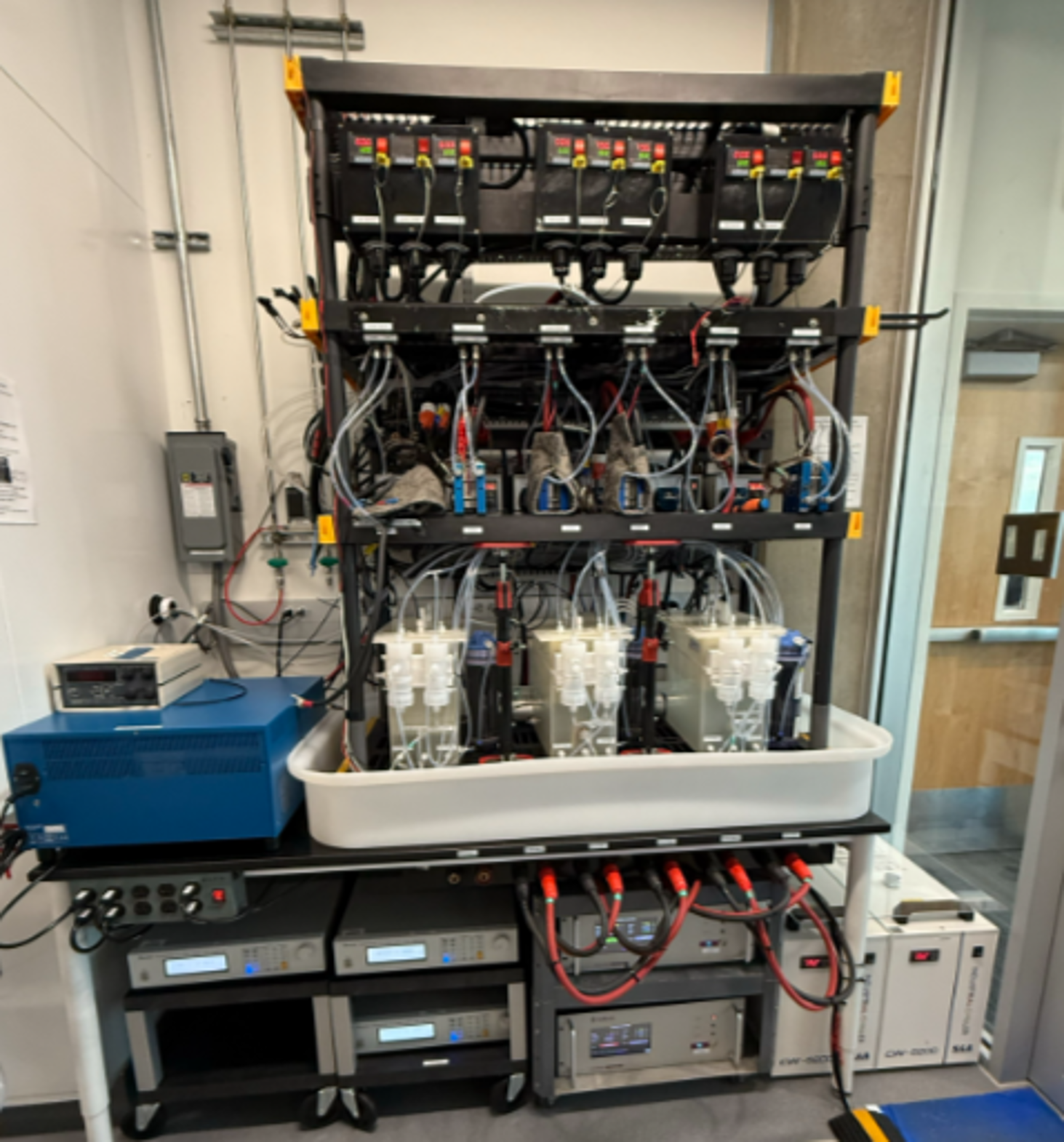
6-channel PEM water electrolysis test stand
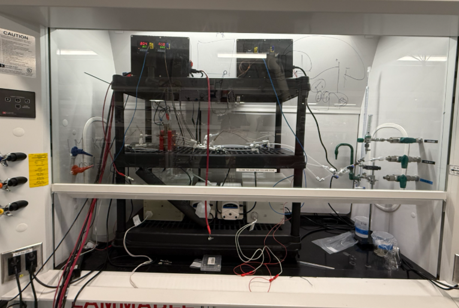
2-channel AEM water electrolysis test stand
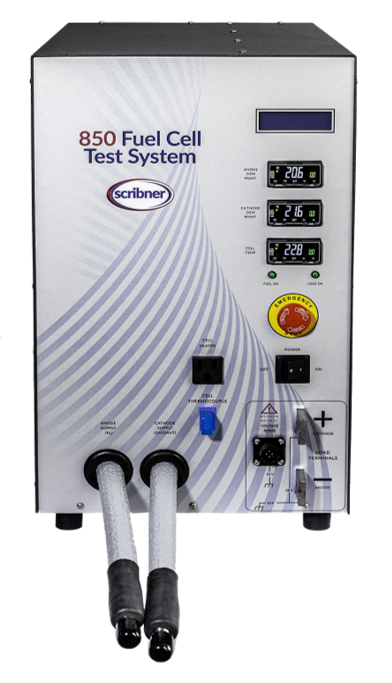
4× fuel cell test stands
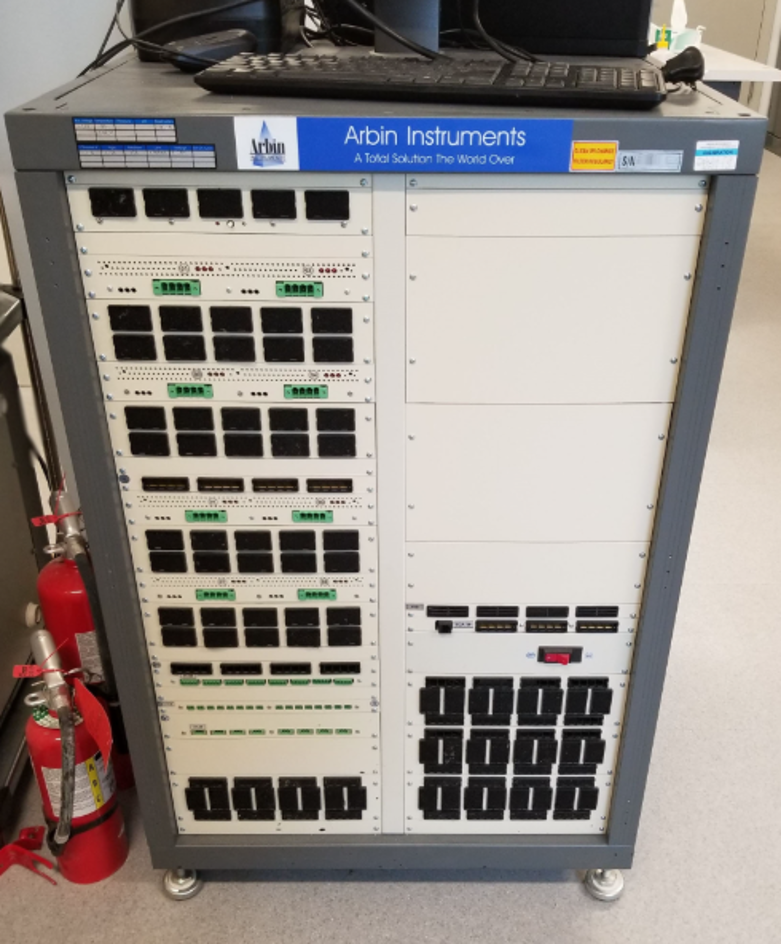
High-current battery cell/module tester
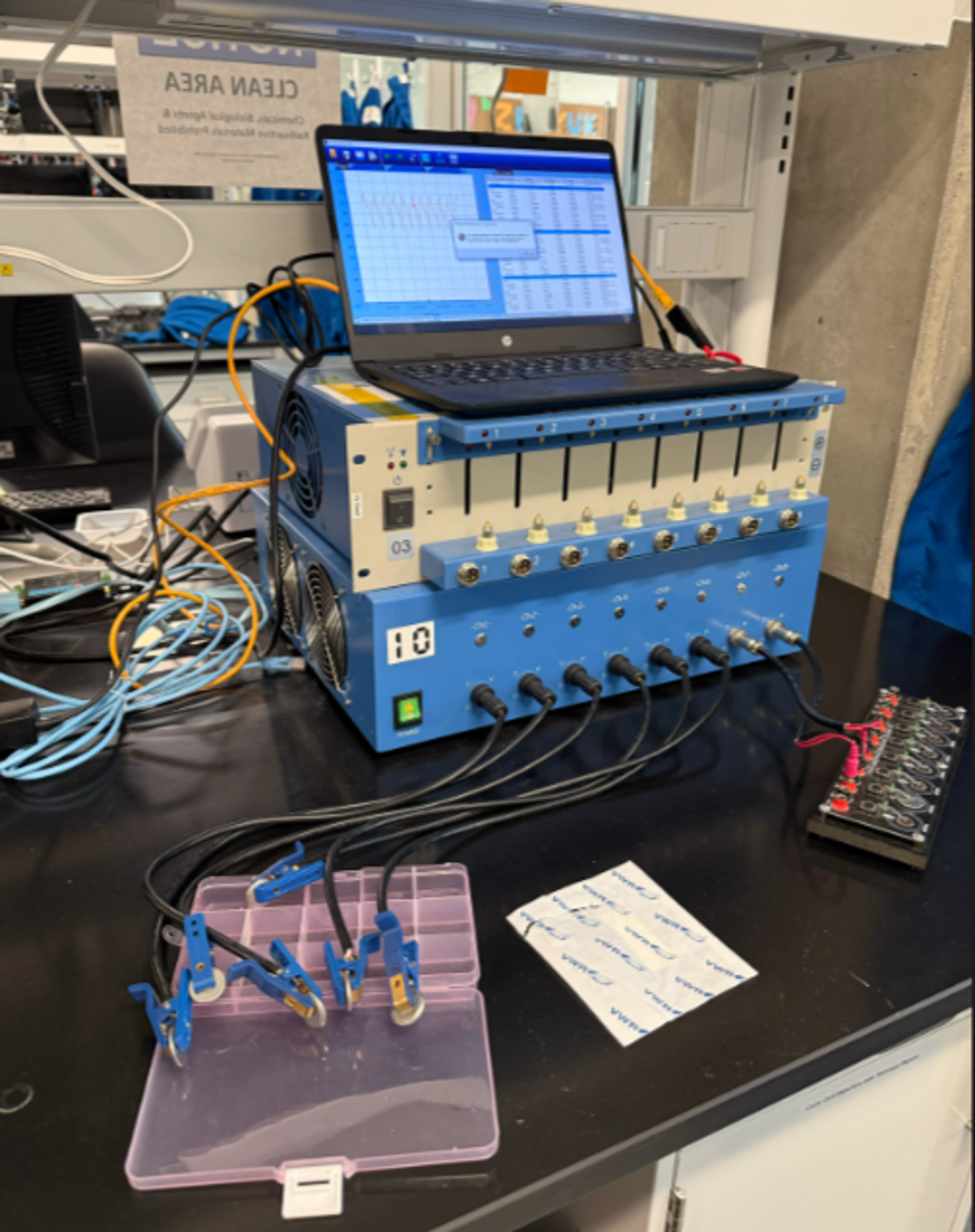
Low-current battery coin cell tester
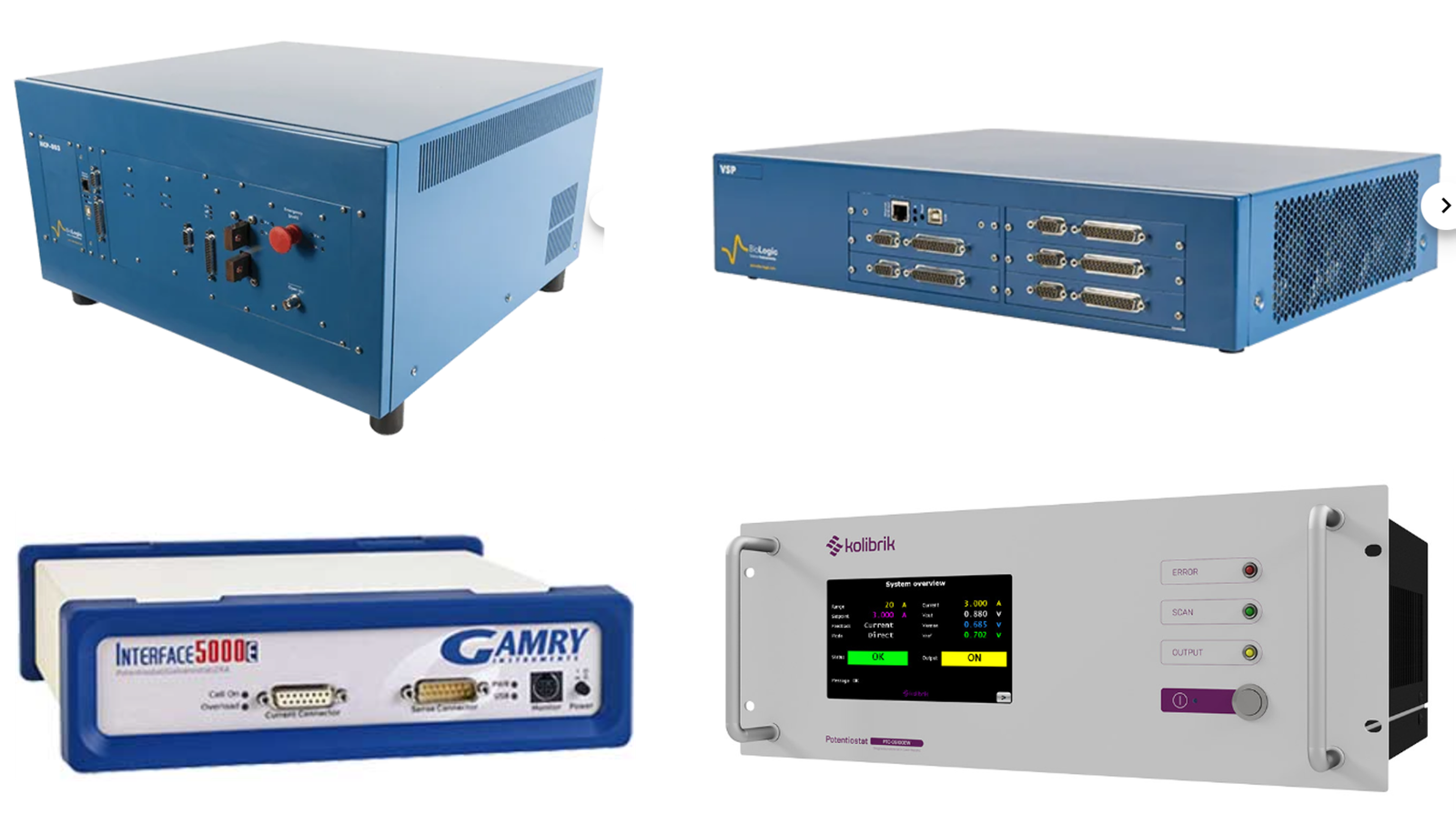
9× potentiostats (1–100 A max current)
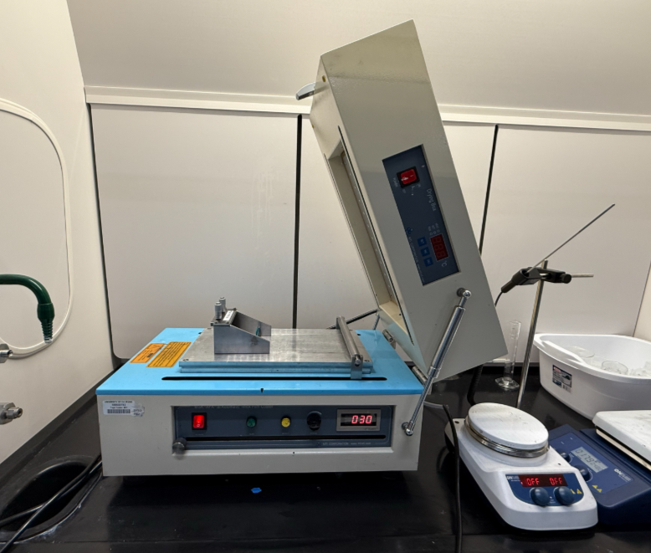
Doctor blade coating
Spray coating
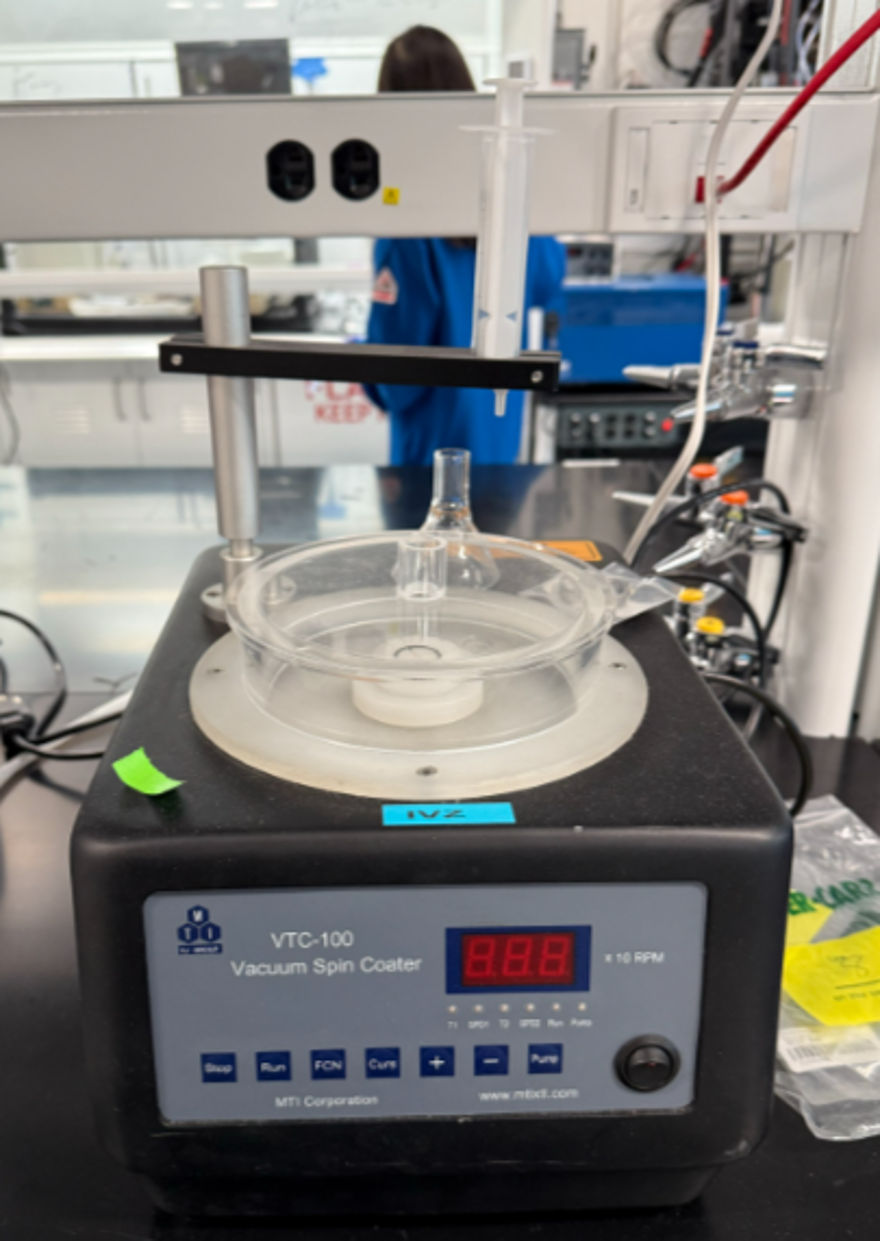
Spin coater
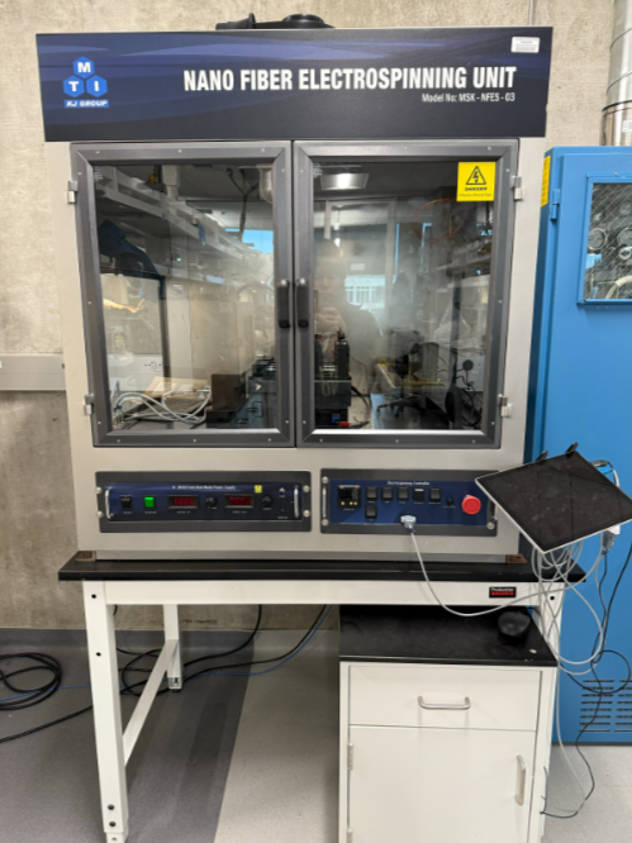
Electrospinning / electrospraying system
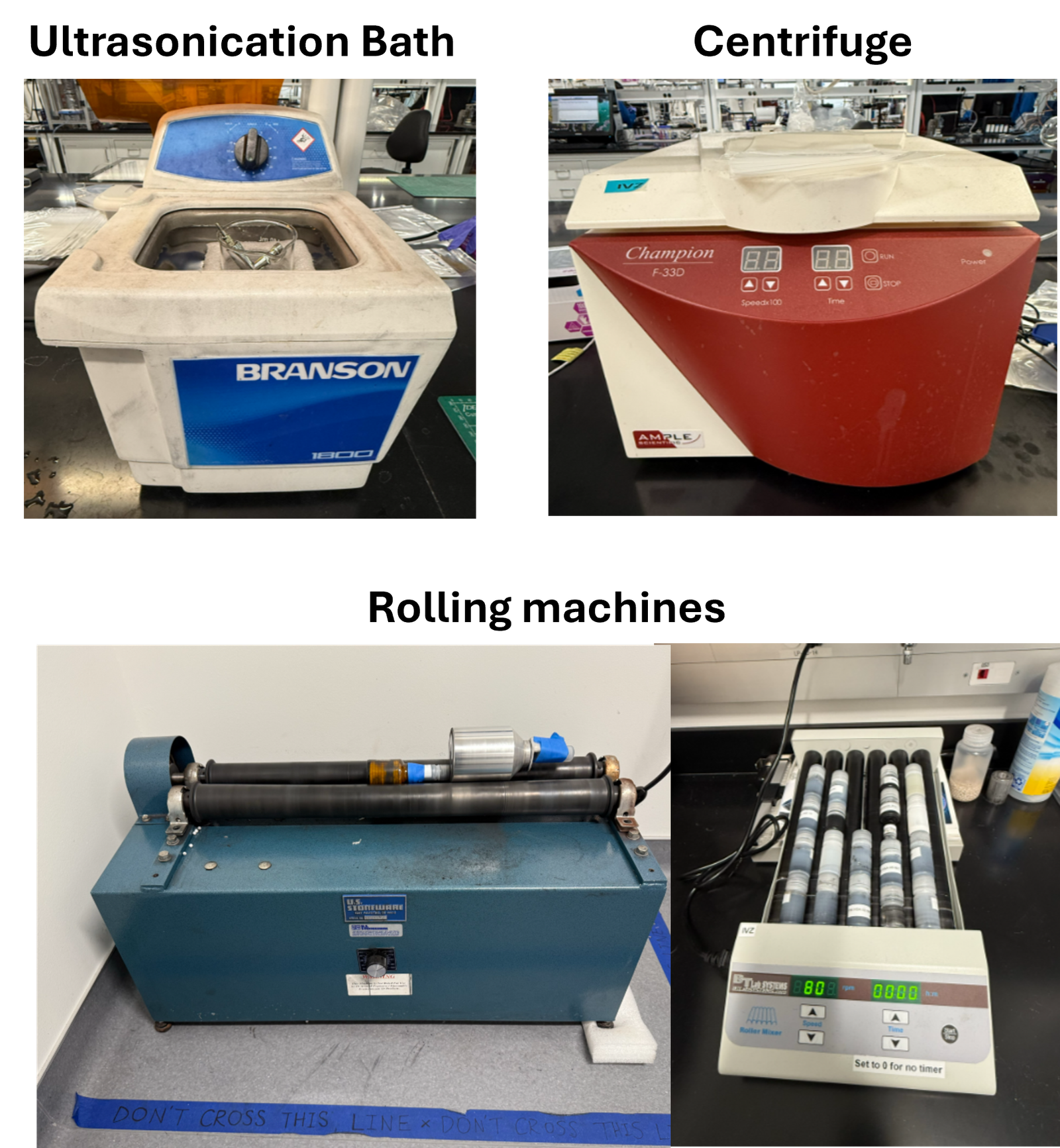
Ink preparation and solution handling
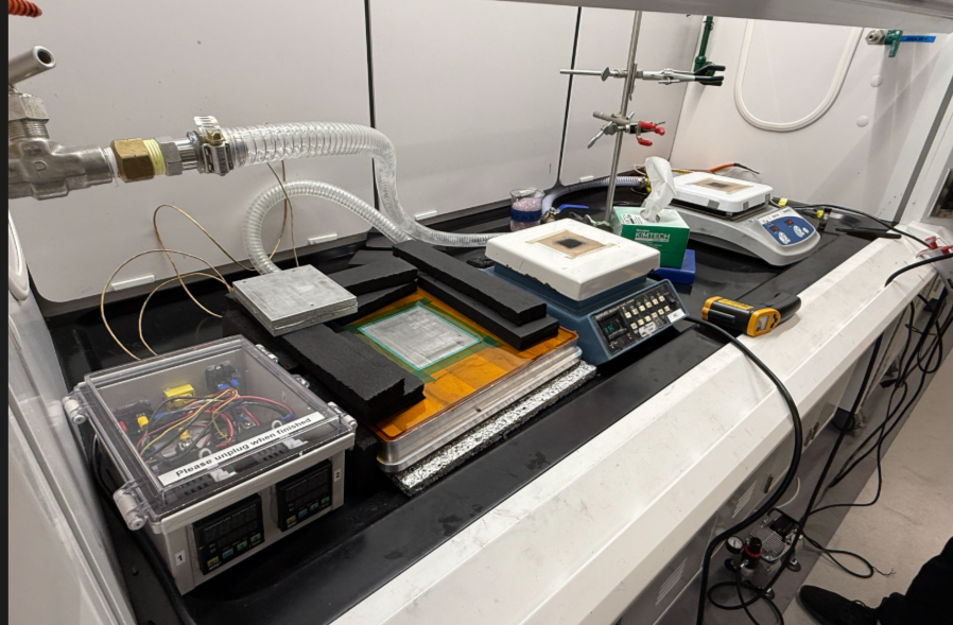
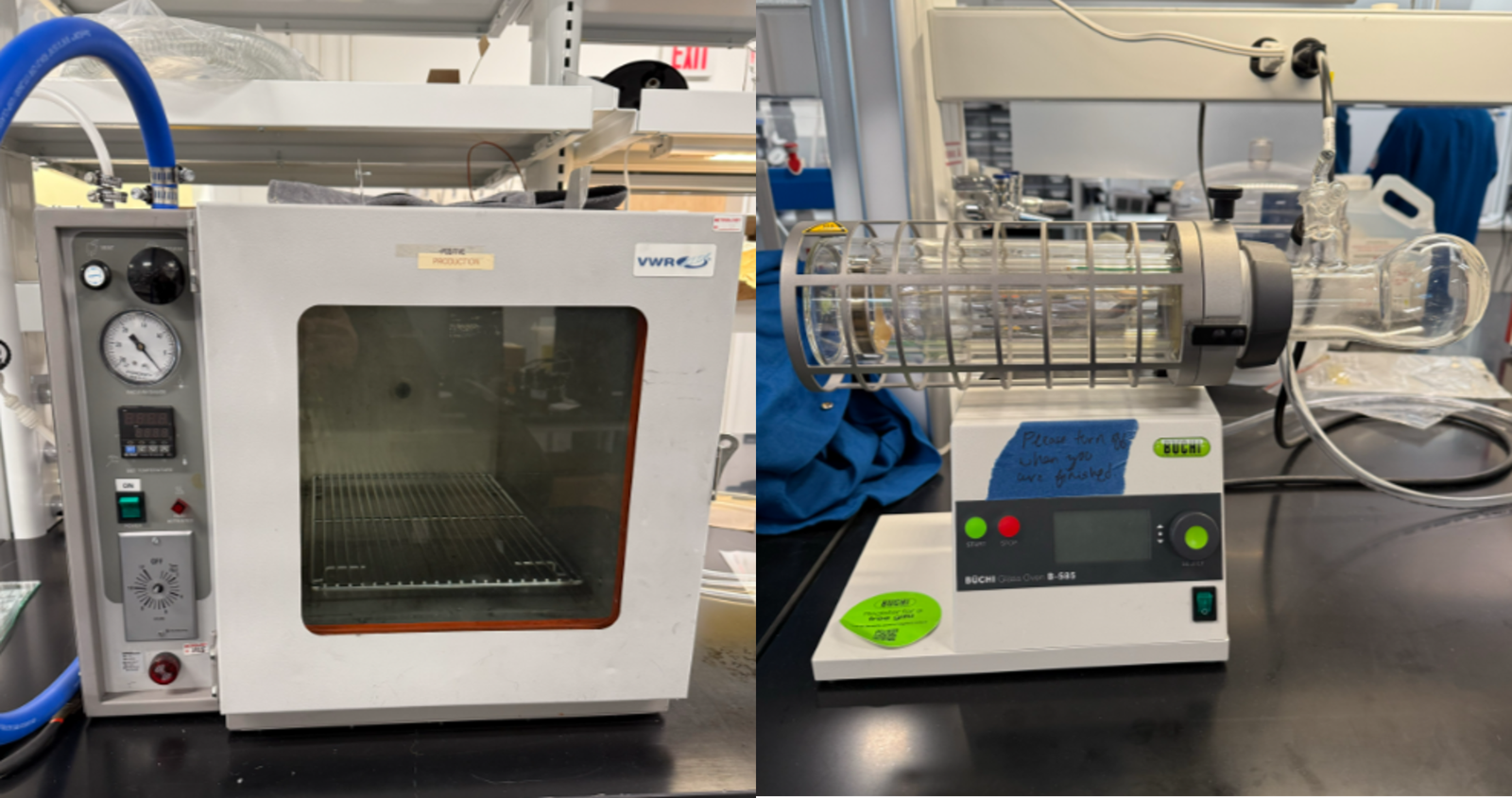
Vacuum ovens
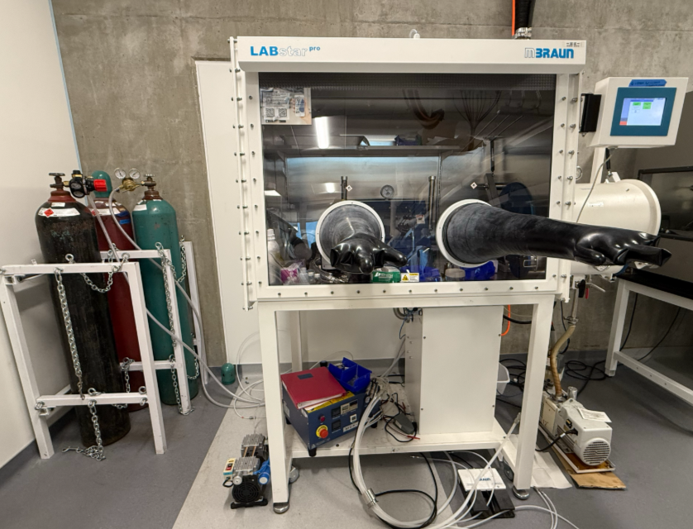
Argon-filled glovebox
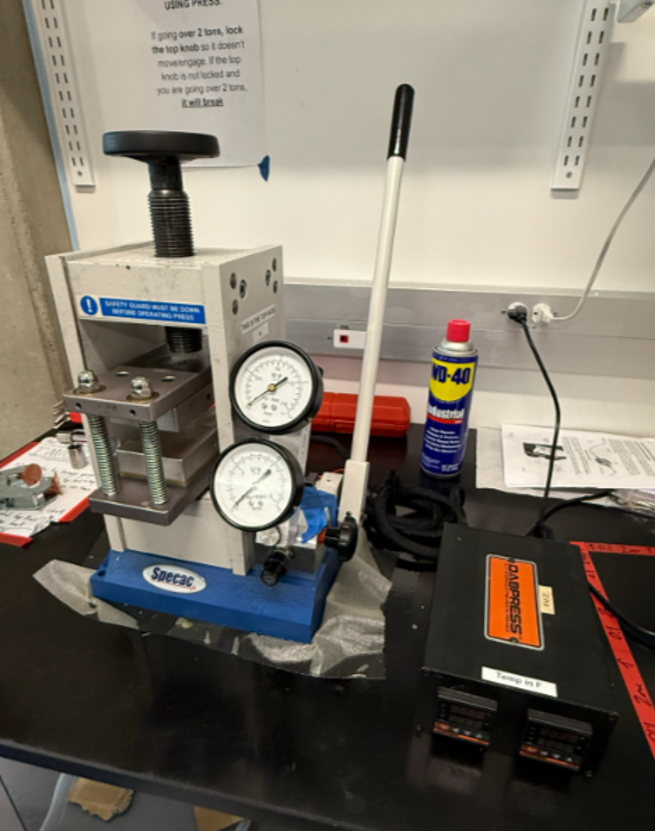
Hot press
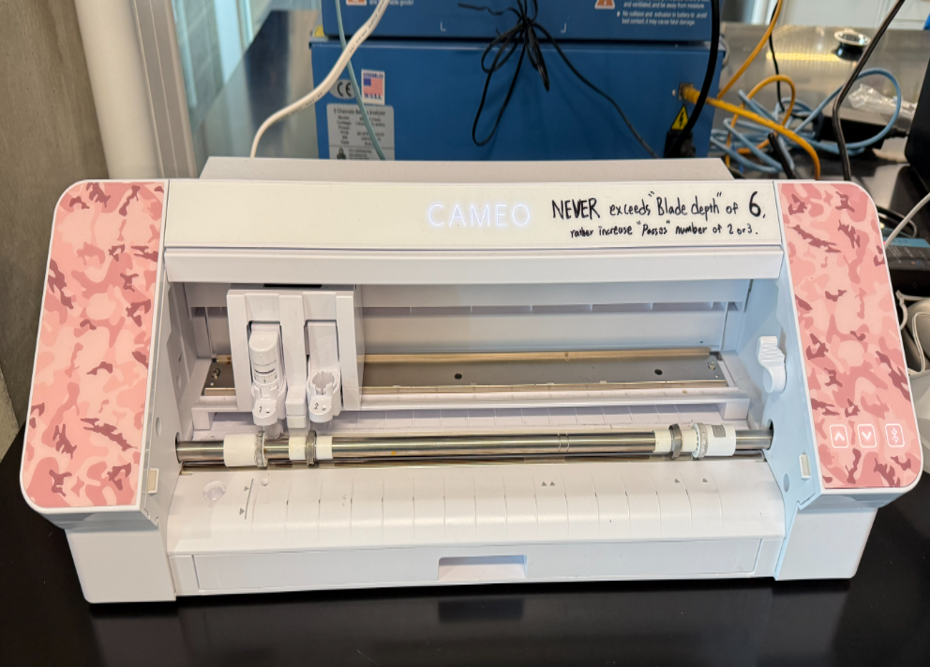
Automatic cutting machine
Coin cell crimper
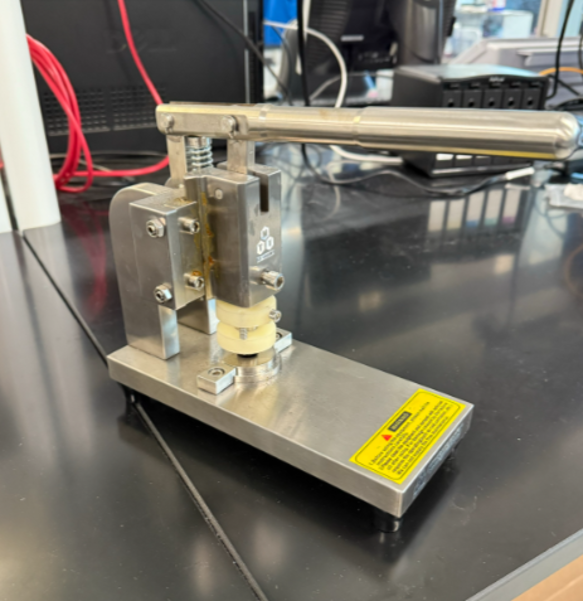
Paper cutter
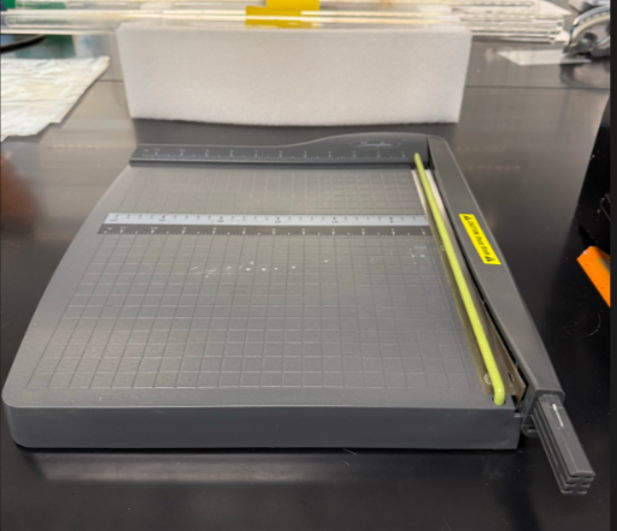
Die cutter
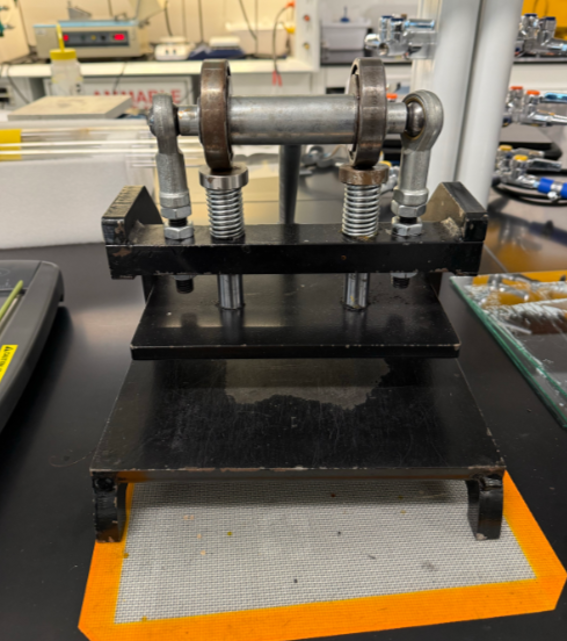
CO₂ laser cutter
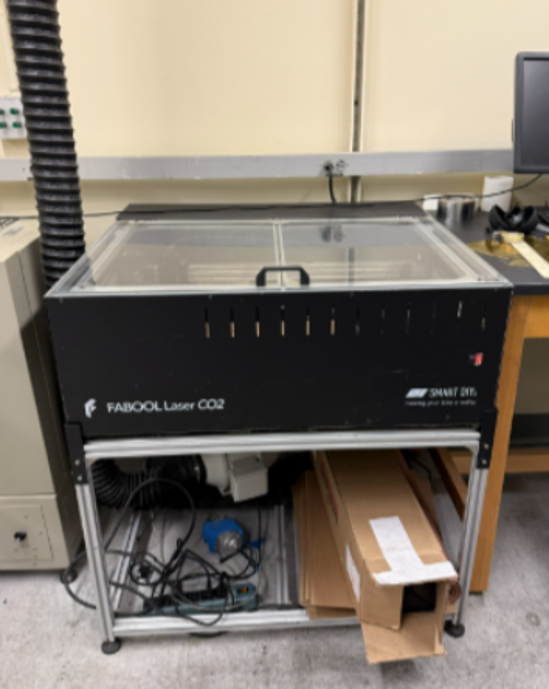
CNC machine (metals)
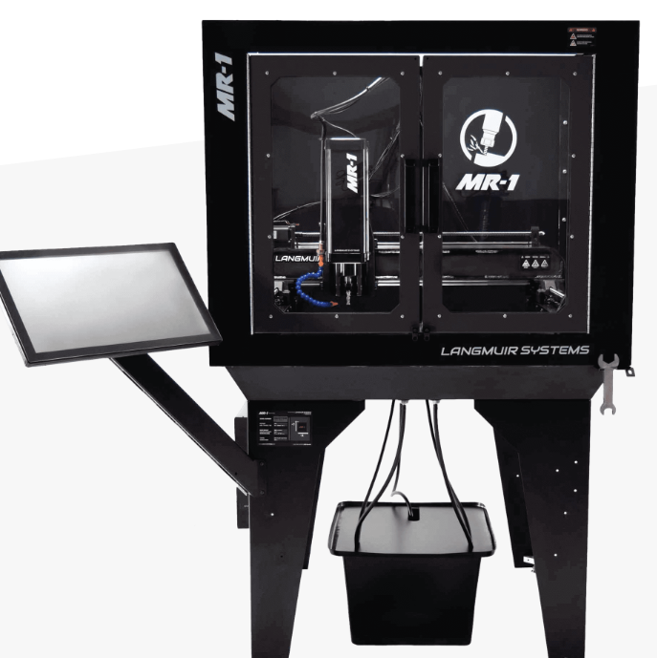
CNC machine (graphite plates)
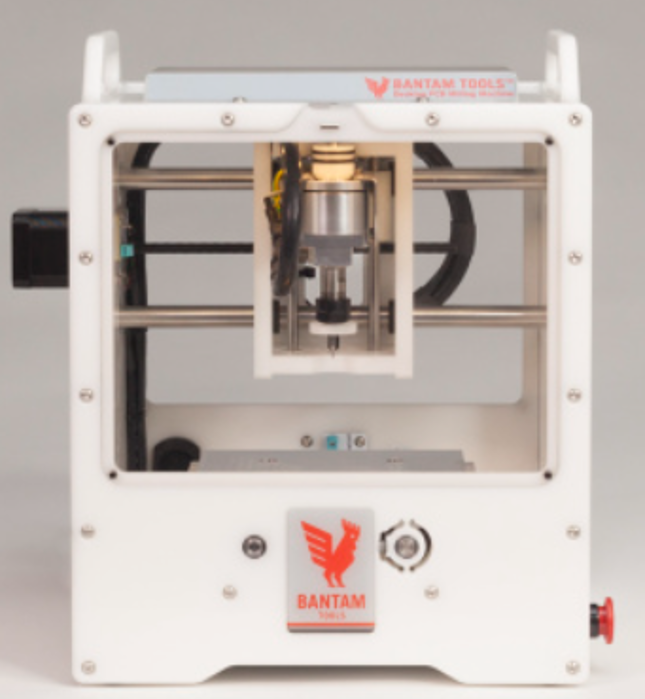
3D printer (SLA)
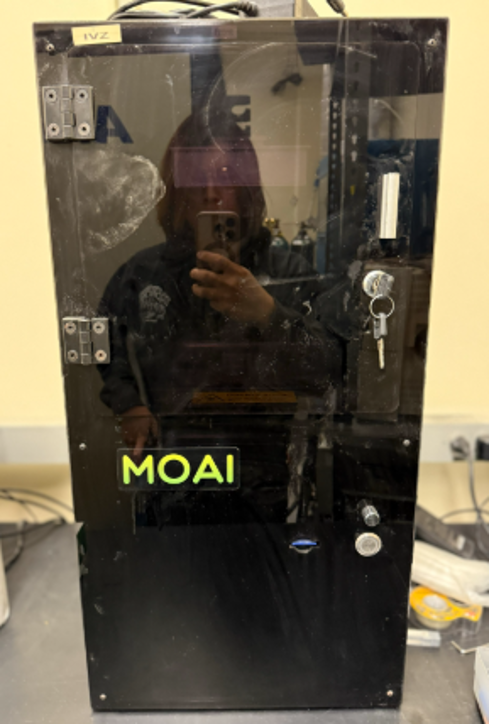
Contact angle (goniometer)
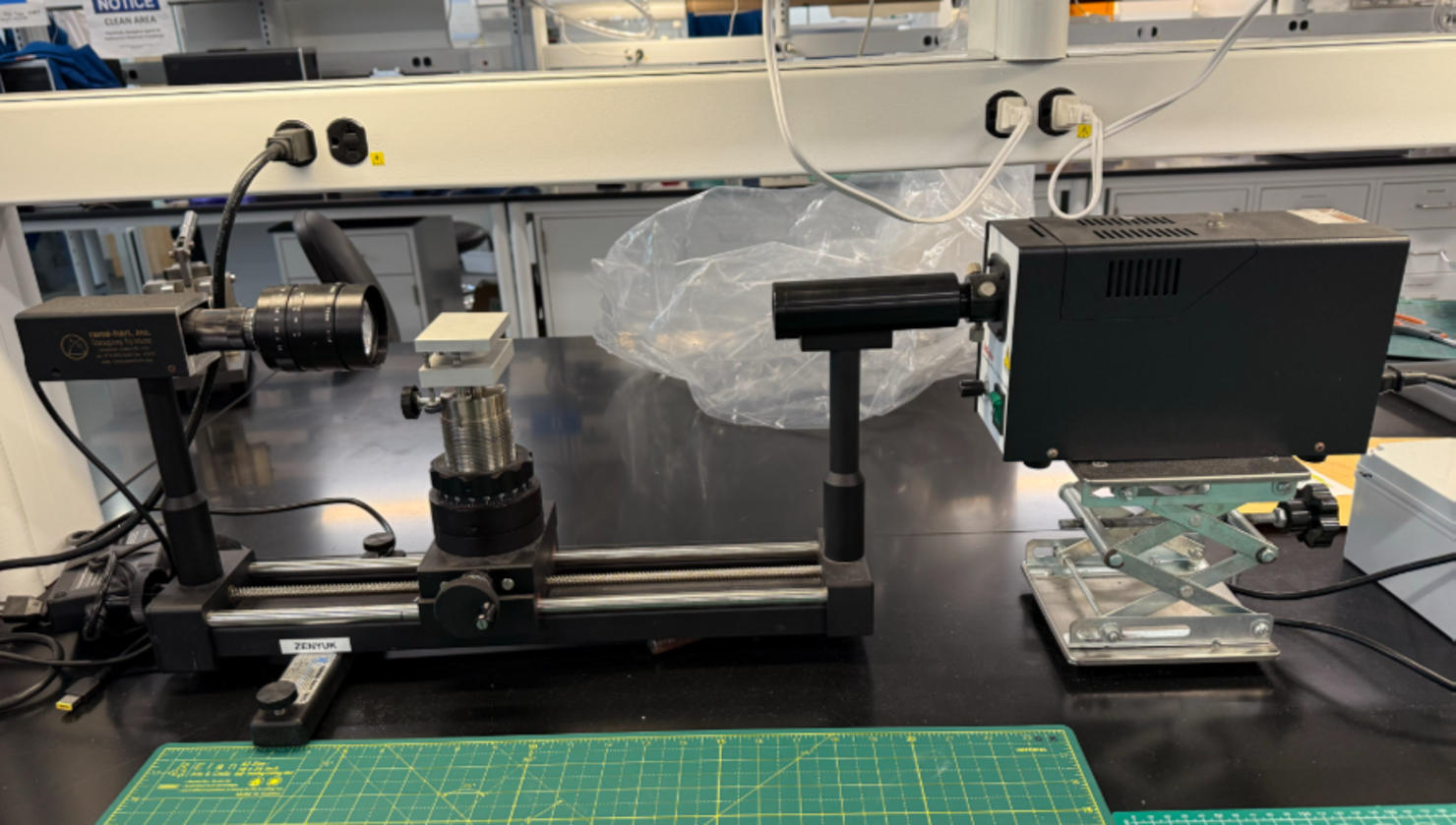
4-probe in-plane conductivity
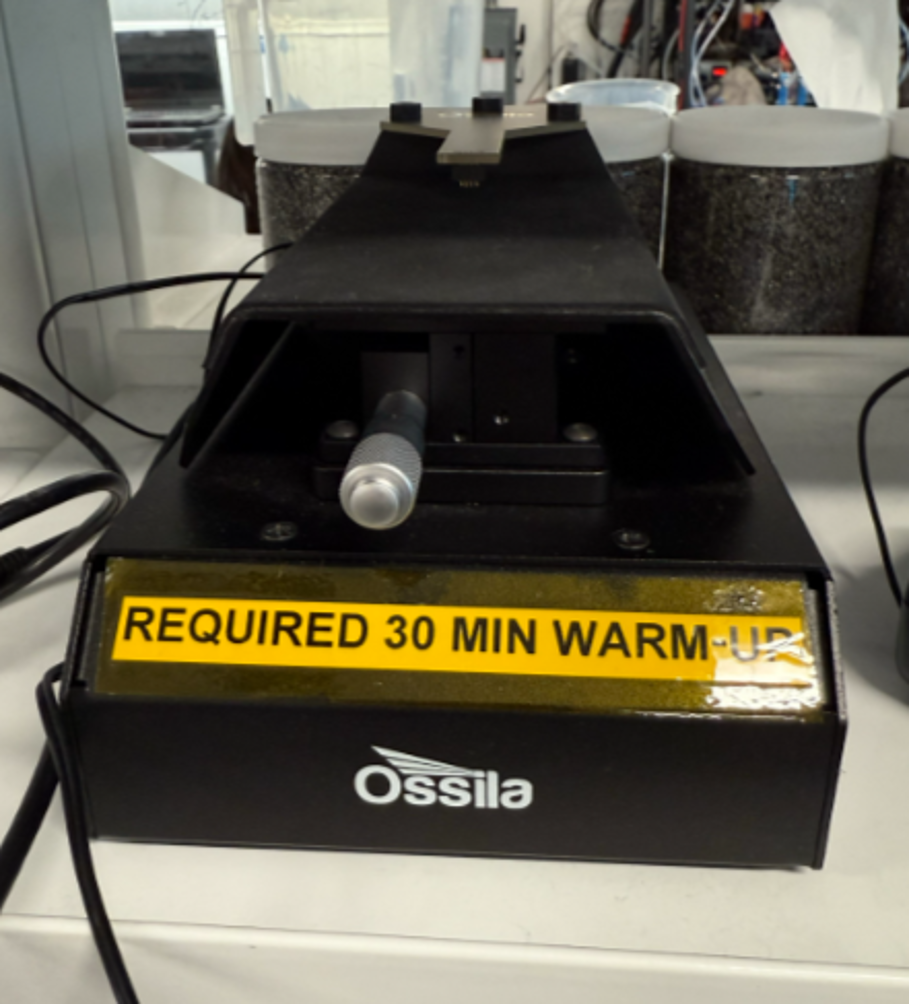
Contact resistance
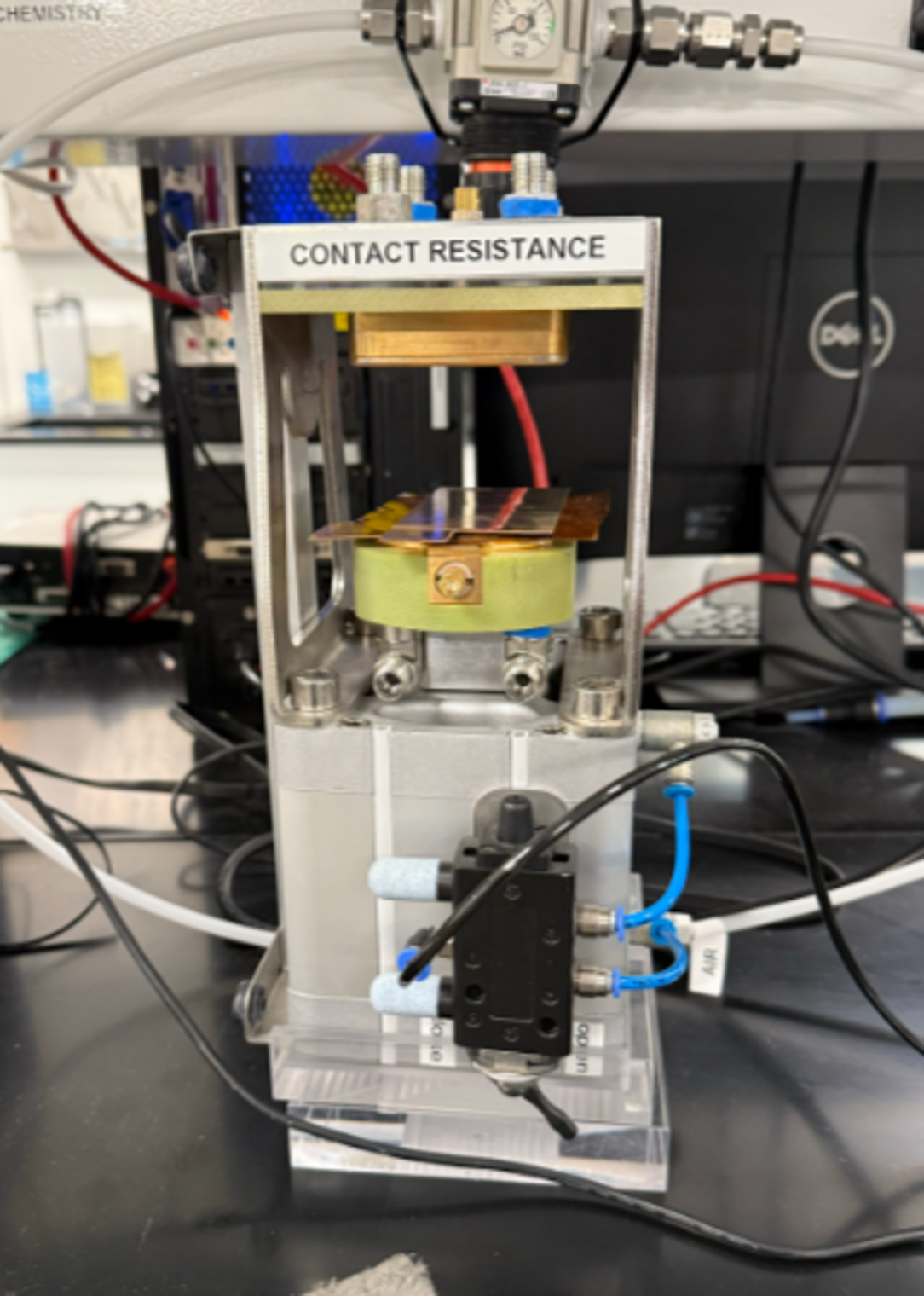
Thermal conductivity
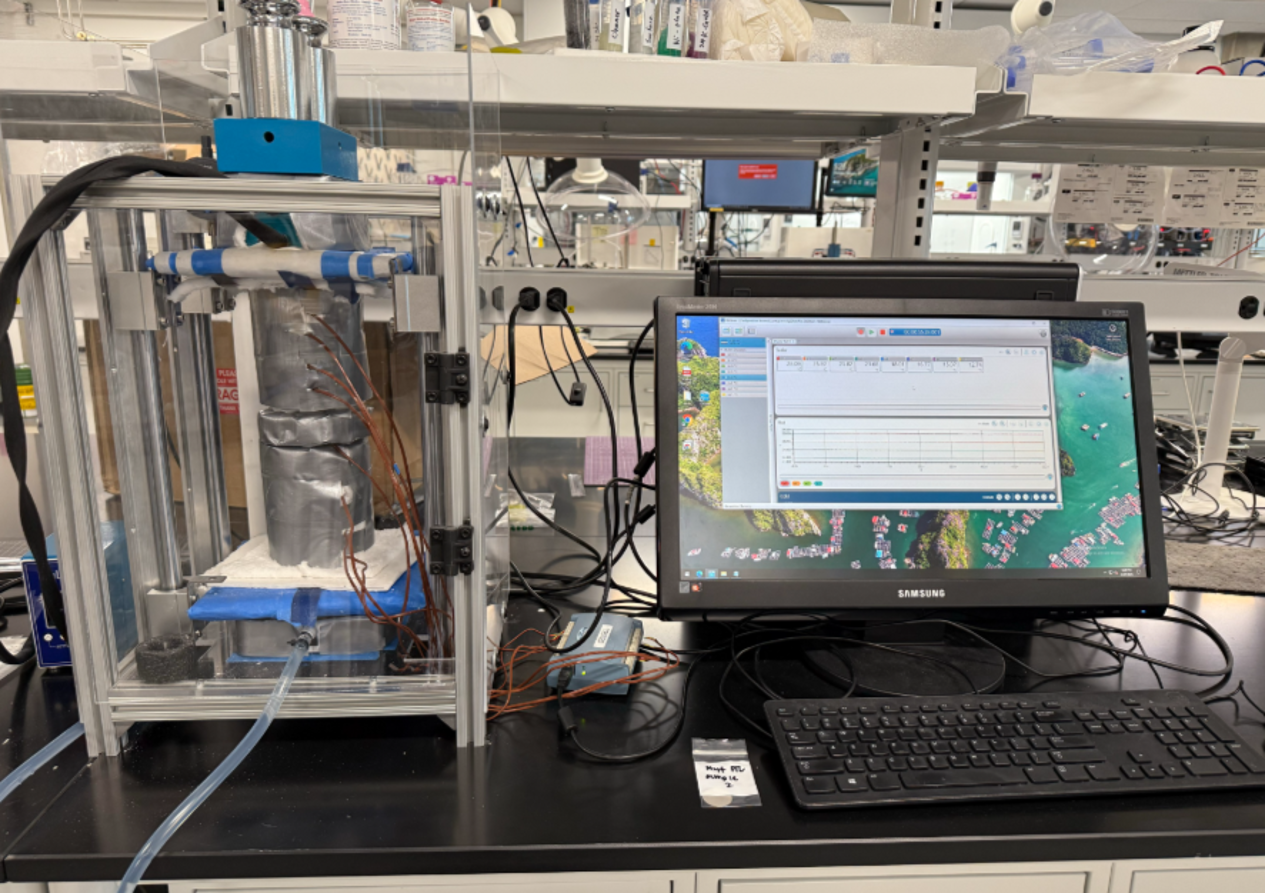
Optical spectroscopy
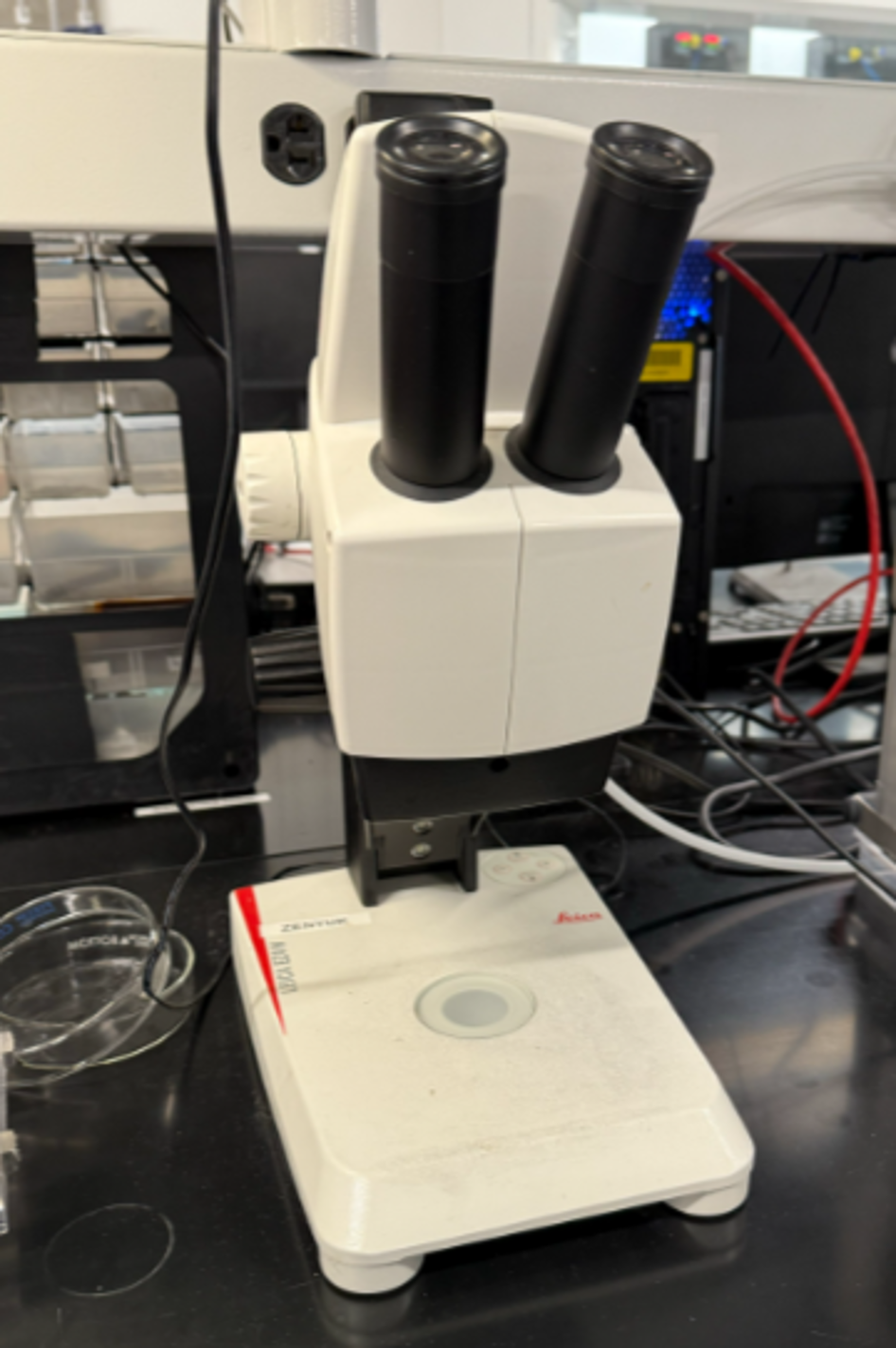
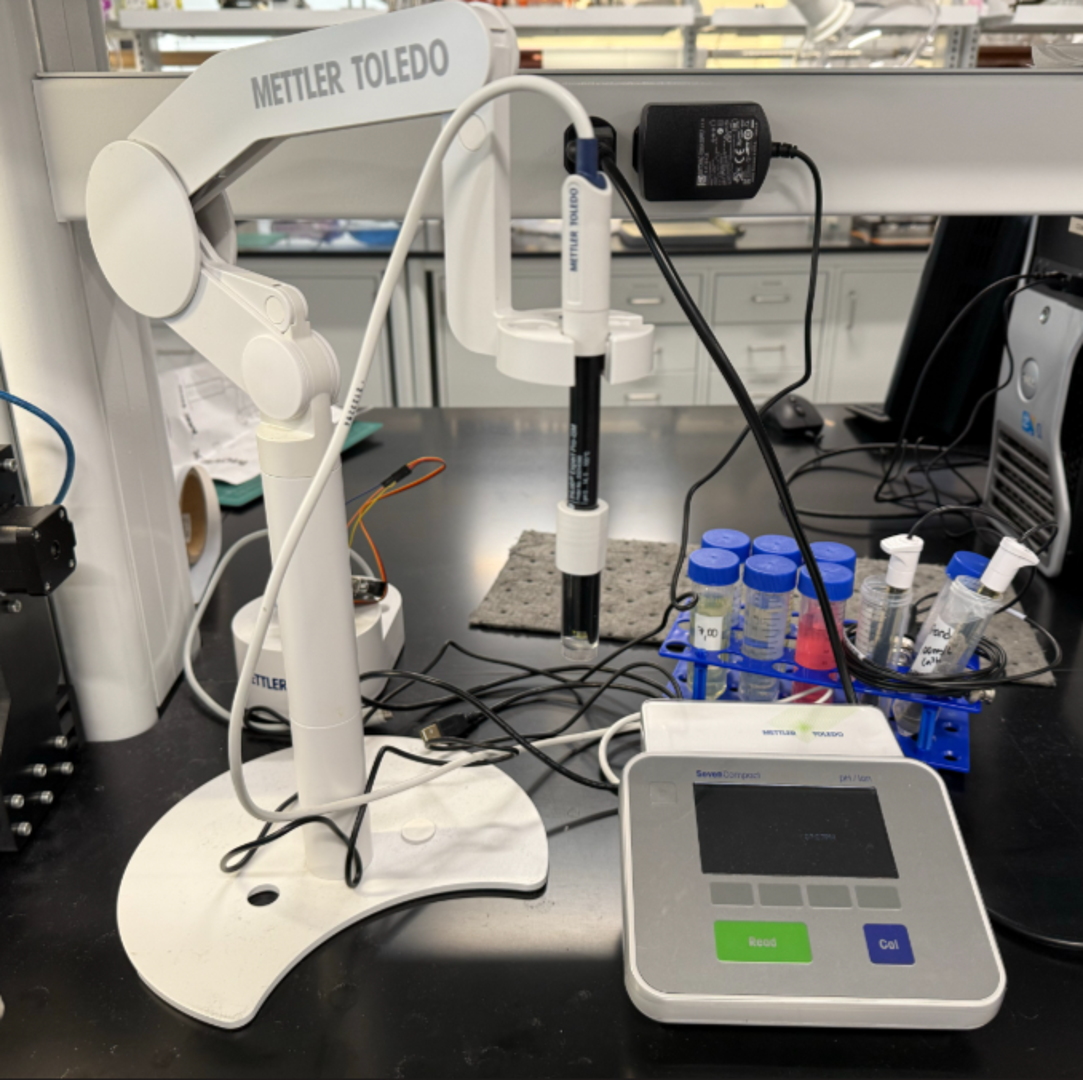
pH / ion probe
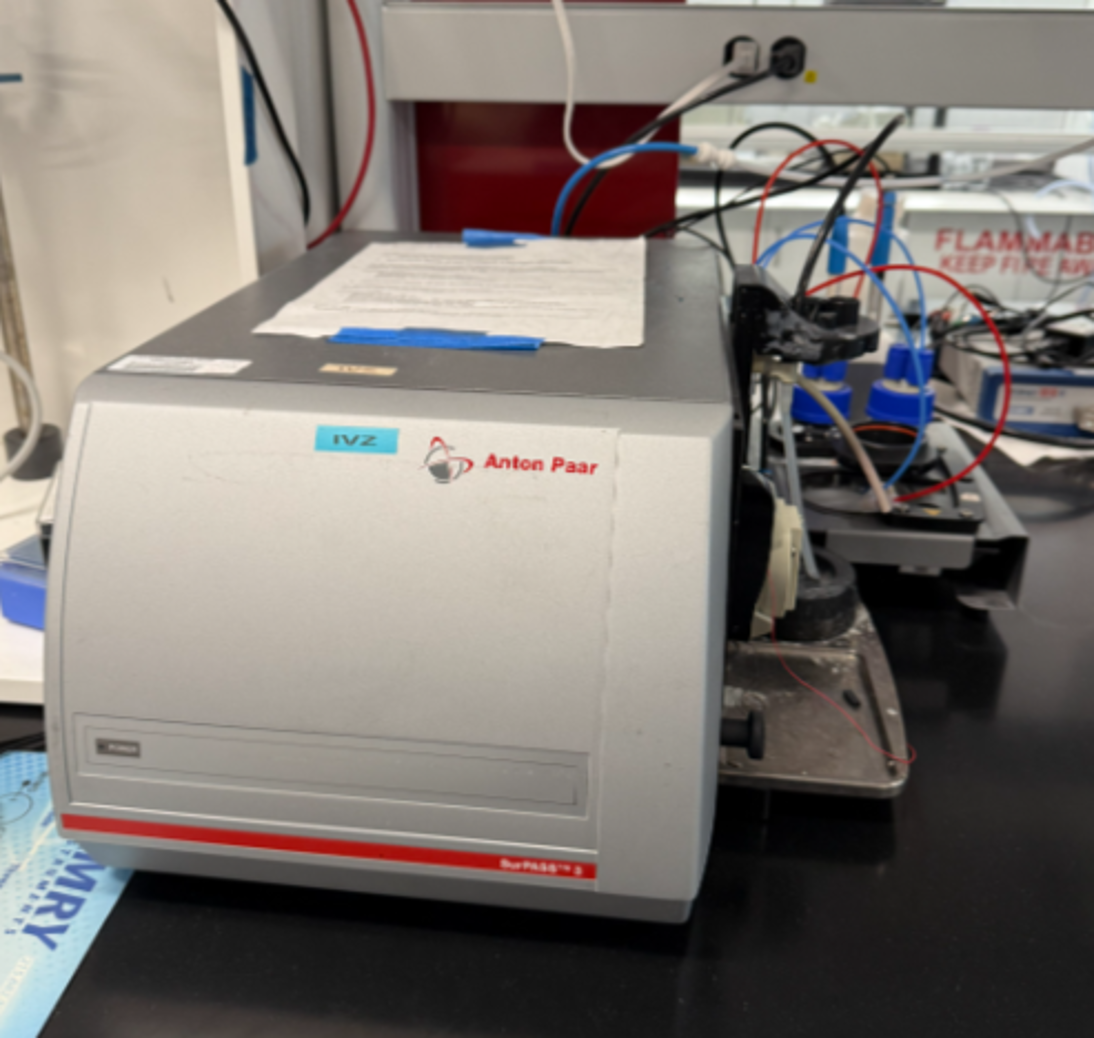
Surface charge & interfacial properties (SurPASS)
About SunVault Innovations

SunVault Innovations is a founder-led R&D and technical consulting firm focused on electrochemical energy conversion, advanced materials, and prototype development. The company supports startups, manufacturers, and technology teams working in batteries, fuel cells, electrolyzers, catalytic systems, coatings, and thin films.
SunVault Innovations was founded by Mohamed Abdelrahman, PhD, a mechanical engineer and electrochemical research specialist with 10+ years of experience across applied R&D, materials engineering, electrochemical systems, and nanobubble-enabled process innovation. He earned his M.S. and Ph.D. in Mechanical Engineering from Carnegie Mellon University and his B.S. in Mechanical Engineering from the University of California, Irvine. His background includes technical leadership and advanced product development at Moleaer, along with earlier research experience including work at NREL. His expertise spans porous thin films, spun fibrous materials, batteries, electrolyzers, and related energy technologies, with a focus on connecting fundamental research to prototype development and commercialization.
SunVault operates through a flexible model tailored to each engagement. While projects are led directly by the founder, specialized collaborators can be brought in when needed, including graduate researchers, technical consultants, and academic or industry partners with relevant expertise. This allows SunVault to remain highly agile while providing clients with access to broader technical capabilities when a project calls for them.
Contact
Interested in collaborating or discussing a technical challenge?
Email: info@sunvaulti.com